History of the Yarra Valley in a nutshell
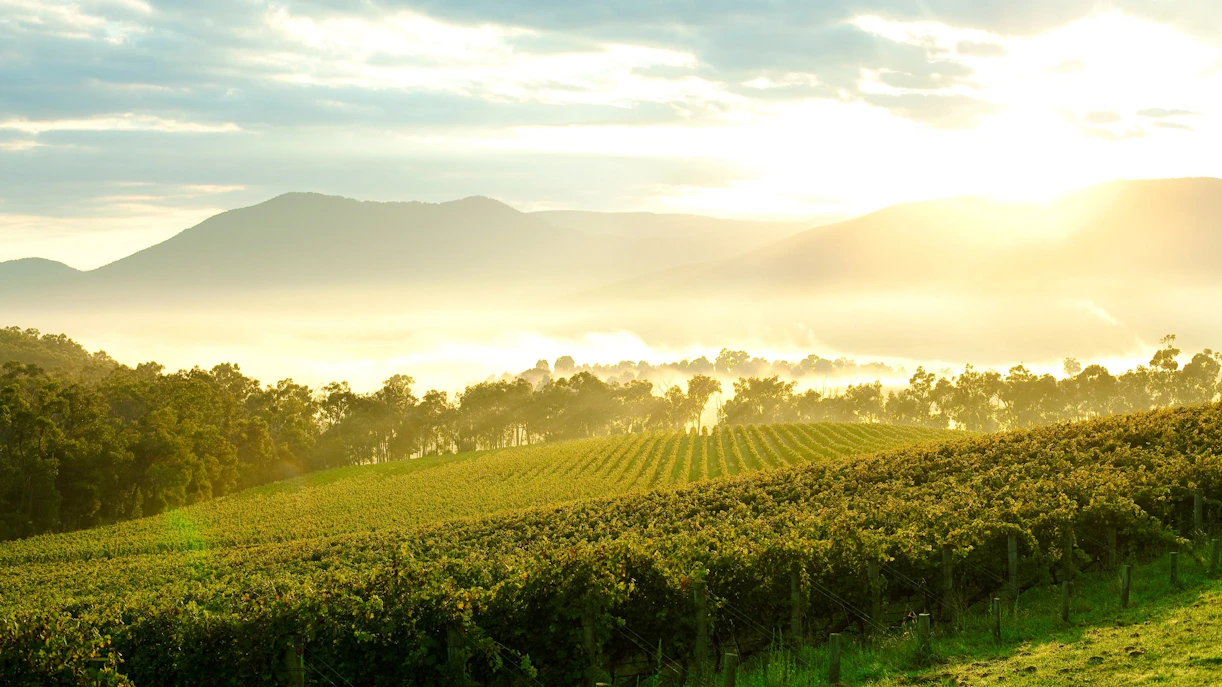
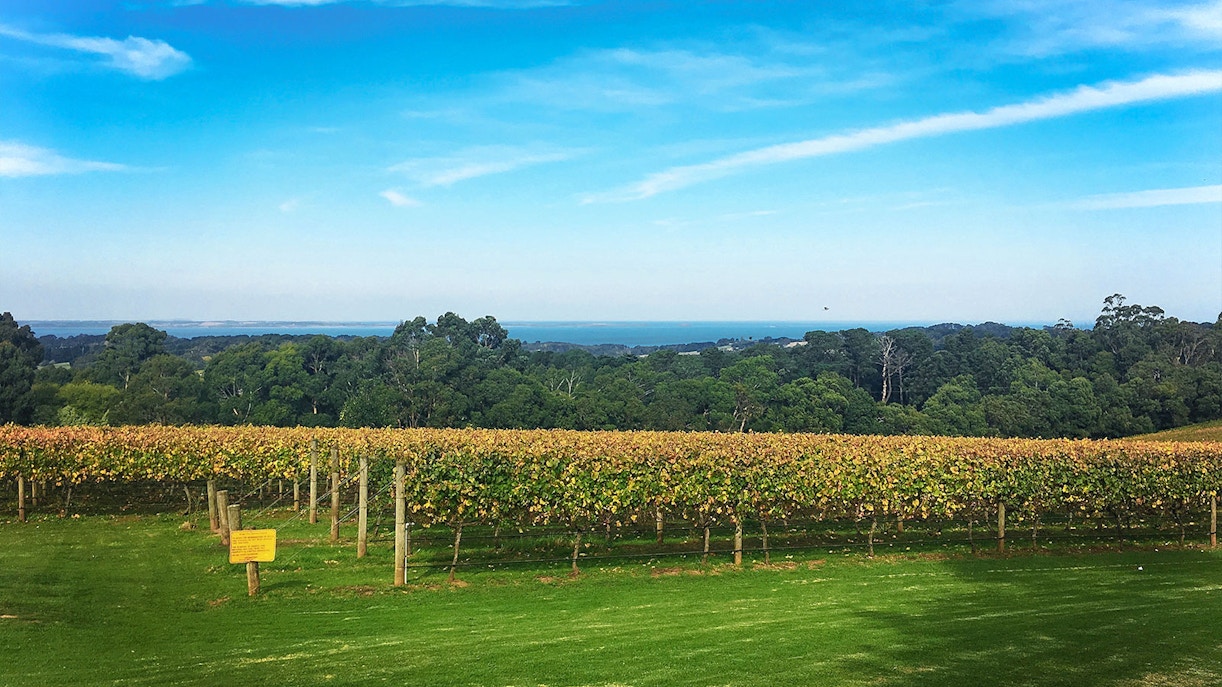
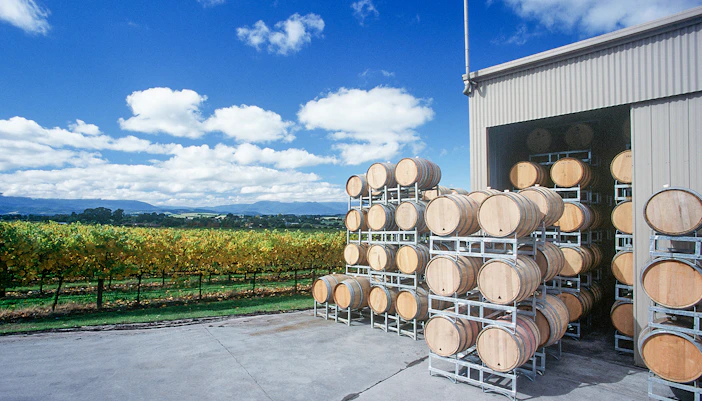
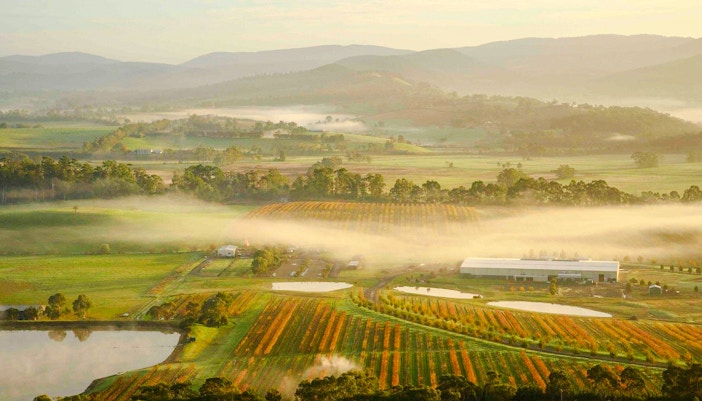
Wine production in the Yarra Valley dates back to the 1830s, making it Victoria’s first planted wine region. Early vineyards thrived before declining in the early 20th century, only to be revived from the 1960s onward by a new generation of winemakers. The region gained international recognition for its cool-climate styles, particularly Pinot Noir and Chardonnay. Today, the Yarra Valley balances innovation with tradition, blending historic estates with modern producers while preserving its agricultural roots and natural landscape.
Nature, wildlife & sustainability
Beyond wine, the Yarra Valley supports rich biodiversity and farming traditions. Native bushland borders vineyards, and sustainable practices are increasingly common among wineries and producers. Visitors are encouraged to support local businesses, respect private farmland, and minimise waste during visits. Wildlife encounters and nature reserves near the valley highlight the region’s connection to the broader Victorian landscape.
Tips for visiting the Yarra Valley
- Book tastings and tours early: Popular wineries like Domaine Chandon and Yering Station fill up quickly on weekends and during spring and autumn.
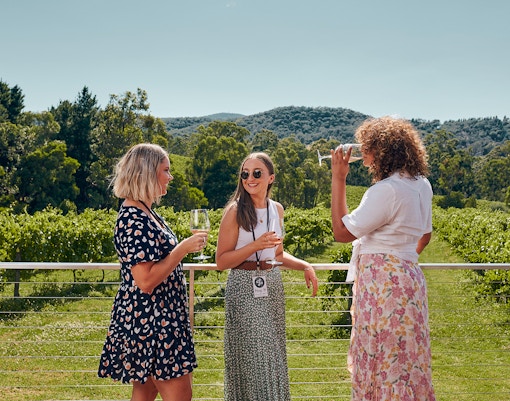
- Consider guided tours if you plan to drink: Tours include transport between vineyards and let you fully enjoy wine tastings.
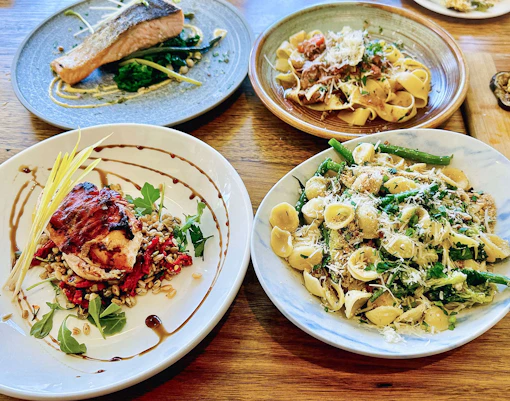
- Start your day early: Arrive around 10am to beat crowds, enjoy a relaxed tasting, and secure lunch at sought-after spots like Ezard at Levantine Hill.
- Dress in layers: Morning fog, midday sun, and cooler evenings mean layering makes for a comfortable day.
- Visit on weekdays: Cellar doors are quieter, giving you more time with staff, personalised recommendations, and better seating for lunch.
- Plan your route: Focus on clusters of wineries, such as Healesville, Yarra Glen, or Coldstream, to minimise driving time and maximise tasting opportunities.
- Bring cash for small producers: Some boutique wineries or food stalls don’t accept cards, so a few notes go a long way.