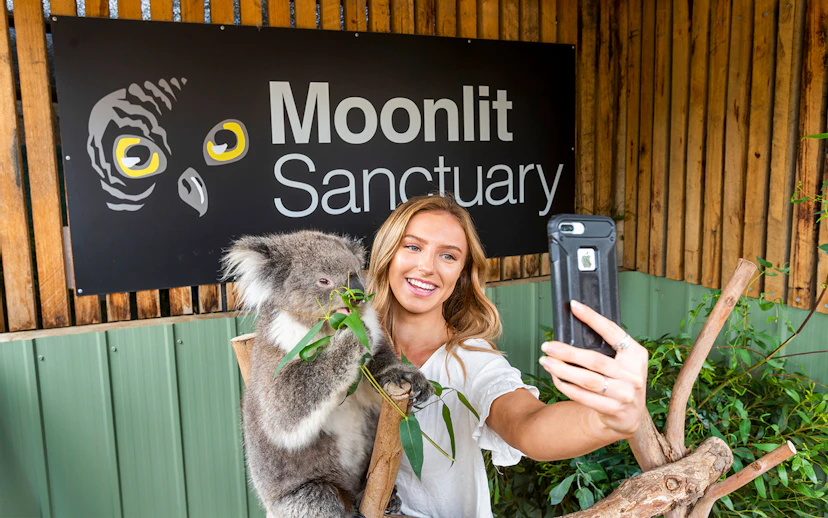
Plan your visit to Moonlit Sanctuary
Moonlit Sanctuary Wildlife Conservation Park is an open-air wildlife park near Melbourne best known for close-up Australian animal encounters, especially kangaroo feeding, koalas, and seasonal lantern-lit night tours. The park is easy to cover in one visit, but timing changes the feel of it: the first hour is calmer, animals are more active, and keeper talks are easier to catch without crowds. This guide will help you plan your arrival, route, tickets, and timing.
Quick overview: Moonlit Sanctuary Wildlife Conservation Park at a glance
If you want the shortest version first, this is what will shape your day most.
- When to visit: Open daily 9:30am–4pm, with last entry at 3pm, and the 9:30am–10:30am window is noticeably calmer than 11am–1pm because school groups, keeper talks, and kangaroo feeding all start concentrating visitors in the center of the park.
- Getting in: From AU$38 for standard daytime entry, while Evening Lantern Tour tickets start from AU$68 and private animal encounters start from AU$120 for 1–2 people, and lantern tours plus koala, wombat, and quokka encounters should be booked ahead.
- How long to allow: 2–3 hours works for most visitors, but it pushes closer to 3.5 hours if you add a private encounter, stay for multiple keeper talks, or take your time with photos.
- What most people miss: The smaller species and keeper talks add more than people expect, especially quokkas, wombats, and the conservation presentations that explain what the sanctuary actually does beyond animal viewing.
- Is a guide worth it? Not usually for a daytime self-guided visit if you follow the talk schedule, but it adds real value for the Evening Lantern Tour and for encounter-led visits where animal timing and keeper access matter.
🎟️ Encounter slots for Moonlit Sanctuary Wildlife Conservation Park sell out weeks in advance during school holidays and winter lantern tour season. Lock in your visit before the time you want is gone. See ticket options
Jump to what you need
🕒 Where and when to go
🗓️ How much time do you need?
🎟️ Which ticket is right for you?
🗺️ Getting around
🦘 Which animals to prioritise
♿ Facilities and accessibility
Where and when to go

How do you get to Moonlit Sanctuary Wildlife Conservation Park?
Moonlit Sanctuary sits in bushland at Pearcedale on the Mornington Peninsula, around 50–60 minutes from Melbourne CBD, and it works best as a self-drive stop or as part of a broader peninsula day out.
550 Tyabb-Tooradin Road, Pearcedale
- Car: Melbourne CBD → around 50–60 min → the easiest option if you’re combining the sanctuary with Phillip Island or other Mornington Peninsula stops.
- Taxi/rideshare: Main entrance drop-off → no extra walk → useful without a car, but return fares from Melbourne can be expensive.
- Day tour/coach: Melbourne combo tours → arrival at the visitor entrance → the simplest no-car option if you want built-in transport.
Which entrance should you use?
The sanctuary is straightforward to enter, and most visitors overthink this part more than they need to. There’s one main visitor entrance and reception area, so the bigger decision is to arrive early enough to avoid a queue forming just before the keeper talks.
- Located at the main reception on Tyabb-Tooradin Road: Expect 5–15 min waits during school holidays, weekends, and the late-morning rush.
When is Moonlit Sanctuary Wildlife Conservation Park open?
- Monday–Sunday: 9:30am–4pm
- Evening Lantern Tour season: Selected evenings from April–September
- Last entry: 3pm
When is it busiest? Weekends, school holidays, and the 11am–1pm stretch are the busiest, when kangaroo feeding, keeper talks, and family arrivals all overlap.
When should you actually go? Aim for opening time if you want quieter paths, easier photos, and a better chance of seeing the kangaroos and wallabies before the center of the park gets crowded.
How much time do you need?
| Visit type | Route | Duration | Walking distance | What you get |
|---|---|---|---|---|
Highlights only | Entrance → kangaroo feeding meadow → koala boardwalk → 1 keeper talk → exit | 1.5–2 hours | ~1 km | You’ll cover the signature animals and get the classic Moonlit feel, but you’ll skip many smaller species and won’t have much margin for encounters or repeat visits to the feeding area. |
Balanced visit | Entrance → kangaroos → koalas → wombats and dingoes → 2 keeper talks → gift shop and café | 2.5–3 hours | ~1.5 km | This is the sweet spot for most visitors because you get the major animal encounters and some quieter enclosures without turning the day into a long, hot loop. |
Full exploration | Full park loop → multiple keeper talks → smaller habitats → private encounter or lantern tour check-in | 3.5+ hours | ~2 km | This gives you time to slow down, revisit active areas, and fit in a premium experience, but it can feel long with young children or on warmer afternoons. |
Which Moonlit Sanctuary Wildlife Conservation Park ticket is best for you
| Ticket type | What's included | Best for | Price range |
|---|---|---|---|
Moonlit Sanctuary Wildlife Park Admission Ticket | Park entry + wildlife exhibits + kangaroo feeding areas + scheduled keeper talks | A flexible self-guided visit where you want to explore at your own pace and spend a few relaxed hours with native animals | From AU$34 |
Brighton Beach, Moonlit Sanctuary & Phillip Island Day Trip with Penguin Parade | Guided full-day tour + return transfers from Melbourne + Brighton Beach stop + Moonlit Sanctuary entry + Penguin Parade at Phillip Island | A hassle-free full-day experience covering multiple iconic Melbourne attractions in one trip | From AU$175 |
How do you get around Moonlit Sanctuary Wildlife Conservation Park?
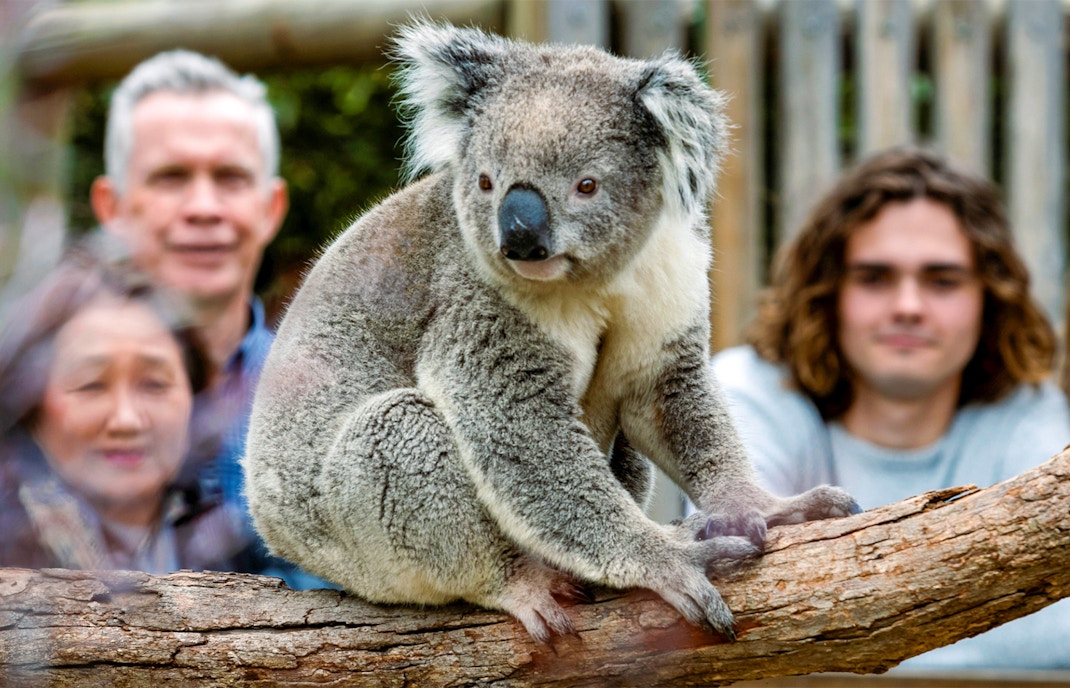
The sanctuary works more like one bushland walking loop with a few short side paths than a large, confusing zoo. Most visitors can cover the main highlights in 2–3 hours, but the center of the park gets busier late in the morning because that’s where kangaroo feeding and several talks pull people together.
Getting around the park
- Kangaroo feeding meadow: Free-roaming kangaroos and wallabies → allow 30–45 min.
- Koala boardwalk: Koala viewing and private encounter area → allow 10–20 min, longer if you’ve booked an encounter.
- Wombat and smaller mammals area: Wombats and quieter enclosures that many visitors rush past → allow 15–20 min.
- Dingo and predator trail: Dingoes and keeper-led moments when timing lines up → allow 10–15 min.
- Talk and show spaces: Cockatoo, koala, and conservation presentations → allow 10–15 min per talk.
Suggested route: Start with the kangaroo meadow at opening, then move to the koalas and smaller habitats before circling back to whichever keeper talk fits best; this works because the central feeding area gets busiest first, while the smaller enclosures stay easier to enjoy later.

Maps and navigation tools
- Map: Use the park map and daily talk board at reception → it helps you match your walking loop to the keeper schedule before you start.
- Signage: Main wayfinding is straightforward, but encounter times and some smaller habitats are easier to miss if you don’t check the schedule first.
- Audio guide/app: Keeper talks add more value than a screen here, so plan your route around live talks rather than expecting a deep self-guided audio layer.
💡 Pro tip: Do the kangaroos first, not last — by late morning the central feeding area is busier, photos get harder, and the most relaxed animal interactions are usually gone.
Which animals and habitats should you prioritise?
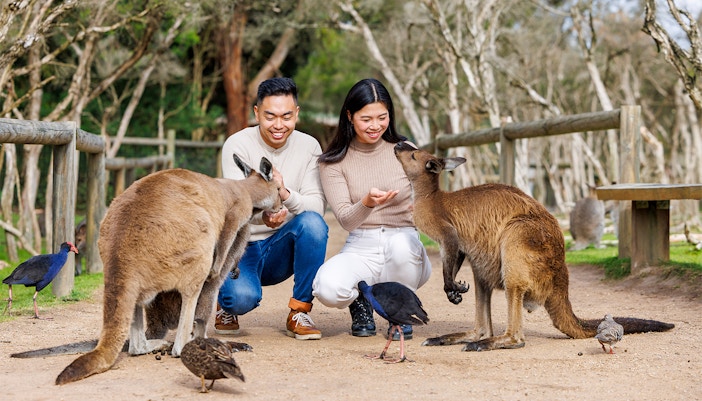
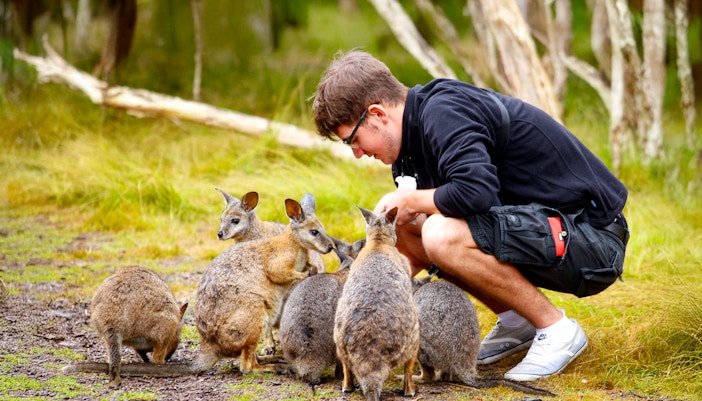
Kangaroo and wallaby feeding meadow
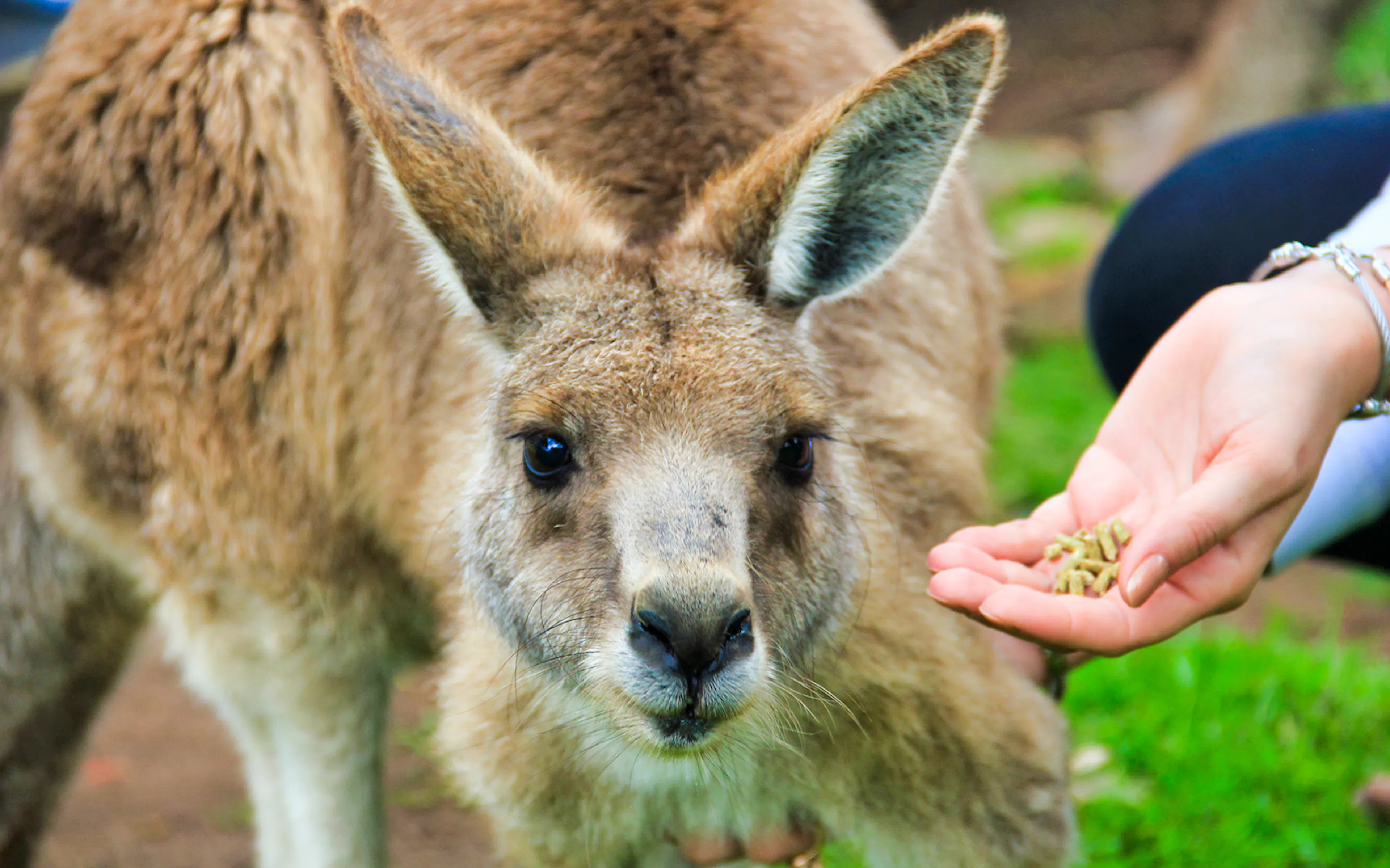
Species: Kangaroos and wallabies
This is the signature Moonlit moment, and it’s the one area that changes most depending on when you arrive. The animals are free-roaming, so the experience feels more immersive than a standard fenced viewing area. What most visitors miss is that the calmest feeding happens early, before the late-morning crowd builds.
Where to find it: Just beyond the entrance in the central walk-through meadow.
Koala boardwalk
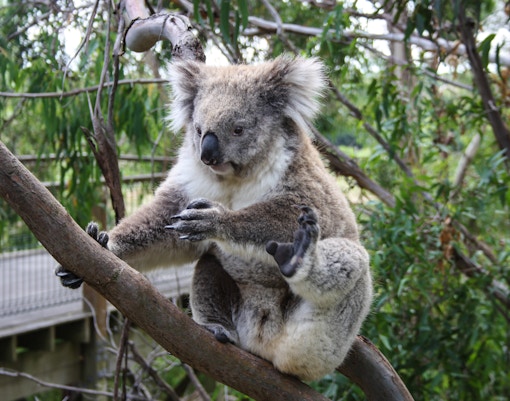
Species: Koalas
The koala area is one of the park’s biggest draws, but it’s easy to rush it as a quick photo stop. Slow down for the keeper talk and you’ll get much more context on behavior, handling limits, and individual animals. Many visitors miss that the boardwalk gives you more than one viewing angle.
Where to find it: Along the raised eucalyptus boardwalk near the main animal loop.
Wombat habitat
Species: Wombats
Moonlit’s wombats are a genuine highlight because wombats are much harder to encounter closely than koalas or kangaroos. Even without a private encounter, this is worth building into your route because keeper timing can change how visible they are. What most visitors miss is that this area works better mid-visit than as a last-minute stop.
Where to find it: On the main loop beyond the central feeding area, near the encounter zones.
Dingo area
Species: Dingoes
The dingoes add a different mood to the park after all the softer, more familiar marsupials. They’re quieter and less instantly photogenic than the kangaroos, which is exactly why many people walk past too quickly. This area becomes far more interesting when you catch a keeper nearby.
Where to find it: On the outer section of the walking loop in the predator enclosure area.
Quokka habitat
Species: Quokkas
The quokkas are a newer draw and one of the easiest animals to miss if you’re following only the biggest crowd. They matter because they’re unusual to see this close outside Western Australia, and private encounter slots are limited. Even without an encounter, it’s worth passing this habitat when it’s quiet.
Where to find it: Near the encounter area off the main visitor path.
Keeper talks and conservation show
Experience type: Live animal talk and keeper presentation
These talks are where the sanctuary feels most distinct from a simple animal park, because you get real conservation context instead of just exhibit labels. They also give you a built-in pause point in a visit that is otherwise mostly outdoors. Many visitors miss that the talks help structure the whole route.
Where to find it: At the scheduled talk spaces listed on the daily board near reception.
Facilities and accessibility
- 🍽️ Café: A small café sits near the exit and works best as a post-visit stop rather than a destination meal.
- 🛍️ Gift shop: The gift shop is near the exit and is the easiest place to pick up wildlife-themed souvenirs before you leave.
- 🪑 Seating / rest areas: Keeper talk spaces give you the most reliable seated breaks during the visit, which matters on warm days.
- 🌤️ Shelter: Some talk and presentation areas are sheltered, but large parts of the park are outdoors and exposed to sun, wind, or light rain.
- 🦘 Animal feed: Kangaroo and wallaby feed is sold separately at the entrance for a small extra charge, and it’s one of the few add-ons that meaningfully changes the visit.
- ♿ Mobility: Most paths are flat and generally wheelchair-friendly, though a few short ramps and uneven outdoor sections can still slow you down.
- ♿ Night tours: The Evening Lantern Tour is the harder experience from a mobility point of view because it involves moderate walking in lower light.
- 👁️ Visual impairments: Keeper talks are the most useful part of the visit if you want context without relying only on exhibit viewing, because animal visibility changes with light and foliage.
- 🧠 Cognitive and sensory needs: The first hour after opening is the calmest time to visit, while the loudest and busiest areas are usually around the cockatoo talk, conservation show, and central feeding meadow.
- 👨👩👧 Families and strollers: The main route is manageable for strollers, but it works best when you avoid the late-morning crowd around the busiest feeding zone.
- 🌿 Terrain: This is an outdoor bushland-style park, so surfaces feel more natural than a fully indoor attraction and can be less forgiving after wet weather.
Moonlit Sanctuary works very well for children because the visit is visual, interactive, and easy to break into short stops rather than one long, indoor circuit.
- 🕐 Time: Around 2–2.5 hours is realistic with young children, with the kangaroo feeding area, koalas, and one keeper talk as the best priorities.
- 🏠 Facilities: The easiest family pause points are the keeper talk areas and the café near the exit, where you can reset before leaving.
- 💡 Engagement: Buy one cup of kangaroo feed early, because having a simple task in hand keeps younger children engaged much longer than passive animal viewing.
- 🎒 Logistics: Bring sunscreen, hats, and fly repellent, and choose an earlier slot so kids aren’t doing the most exposed walking in the busiest part of the day.
- 📍 After your visit: Enchanted Adventure Garden makes a strong follow-up stop if you want to turn the day into a broader family outing on the peninsula.
Rules and restrictions
What you need to know before you go
- Entry requirement: Booked tickets are recommended for peak days, and children under 15 must be accompanied by a paying adult.
- ID: Senior and student discounts require the relevant ID on arrival.
- Animal encounters: Private koala, wombat, and quokka encounters have separate booking requirements and typically require participants to be at least 8 years old.

Not allowed
- 🚫 Food and drink: Outside food and drink are not allowed inside the sanctuary.
- 🚬 Smoking / vaping: Smoking is prohibited on site.
- 🐾 Pets: Pets are not allowed.
- 🖐️ Animal handling: Do not touch or feed animals except in designated feeding areas or keeper-supervised encounters, because the close-contact experiences are tightly managed.

Photography
- Photography is generally part of the experience, especially in the kangaroo meadow and koala viewing areas.
- Avoid using flash around animals to minimise disturbance.
- Close-contact encounters follow strict keeper instructions for safety and animal comfort.
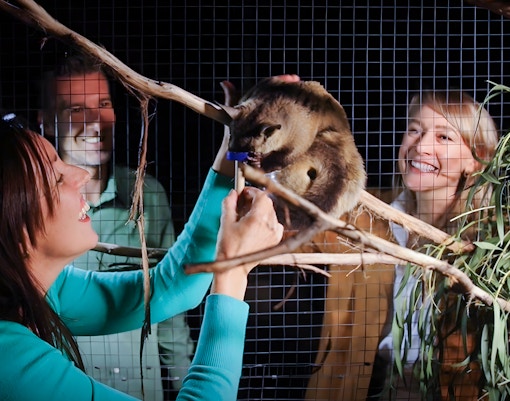
- In private animal sessions, keepers control positioning and timing to ensure brief, stress-free interactions.
Good to know
- Weather matters: This is an outdoor bushland park, so heat, flies, and light rain change the feel of the visit more than people expect.
- Animal timing matters too: A private encounter does not guarantee that an animal will be equally active all day, which is why some sessions are brief or occasionally refunded.
Practical tips
- Booking and arrival: Book lantern tours and private koala, wombat, or quokka encounters as soon as your date is fixed, because those are the experiences that genuinely sell out first, especially during school holidays and winter evenings.
- Pacing: Don’t burn your whole visit in the kangaroo meadow; give it 30–45 minutes, then move on while you still have energy for koalas, wombats, and at least one keeper talk.
- Crowd management: Opening time is the best slot here, not just because it’s quieter, but because the central feed area is more relaxed before the 11am–1pm rush builds.
- What to bring or leave behind: Bring sunscreen, a hat, and fly repellent, and pack a light jacket if you’re doing the Evening Lantern Tour because the bush setting cools quickly after sunset.
- Food and drink: Treat the on-site café as a convenience stop after your loop rather than breaking the visit in half for a meal, because most people only need 2–3 hours and leaving your rhythm midway usually isn’t worth it.
- Encounters: If a private animal session is the main reason you’re coming, build the rest of your route around that time instead of assuming you can fit it in casually after you arrive.
- Photos: The best animal photos usually come early, when the central paths are clearer and you’re not competing with a ring of other visitors around the feeding area.
What else is worth visiting nearby?
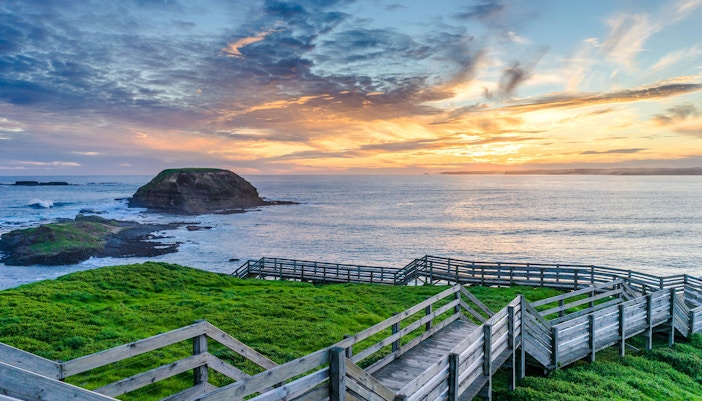
Commonly Paired: Phillip Island Penguin Parade
Distance: 50–60 km; around 1–1.5 hours by car
Why people combine them: It creates a full wildlife day, with close-up native animals in the afternoon and the Little Penguin parade at night.
✨ Moonlit Sanctuary Wildlife Conservation Park and Phillip Island Penguin Parade are most commonly visited together — and simplest to do on a combo ticket. The practical advantage is that transport and timing are handled for you on a long day.
→ See combo options
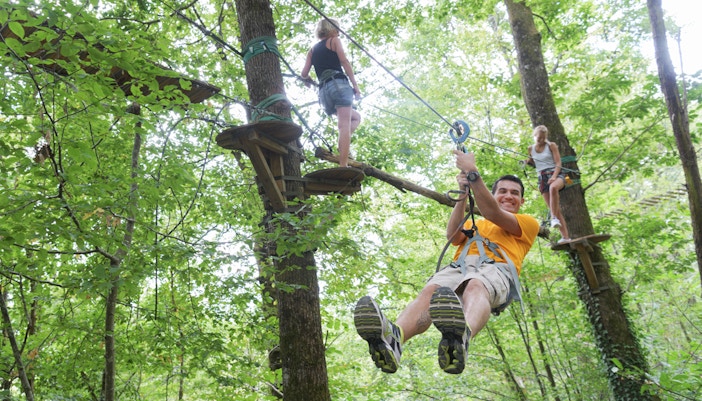
Commonly Paired: Enchanted Adventure Garden
Distance: about 15 km; around 20–25 min by car
Why people combine them: It’s an easy family pairing because Moonlit is calm and animal-focused, while Enchanted Adventure Garden adds a more active, play-heavy second half to the day.
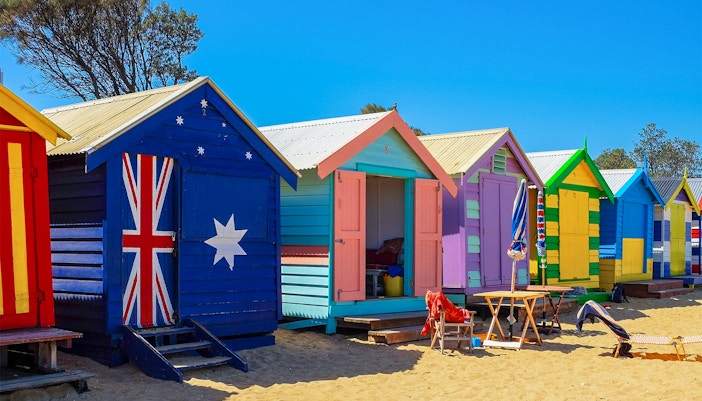
Also nearby
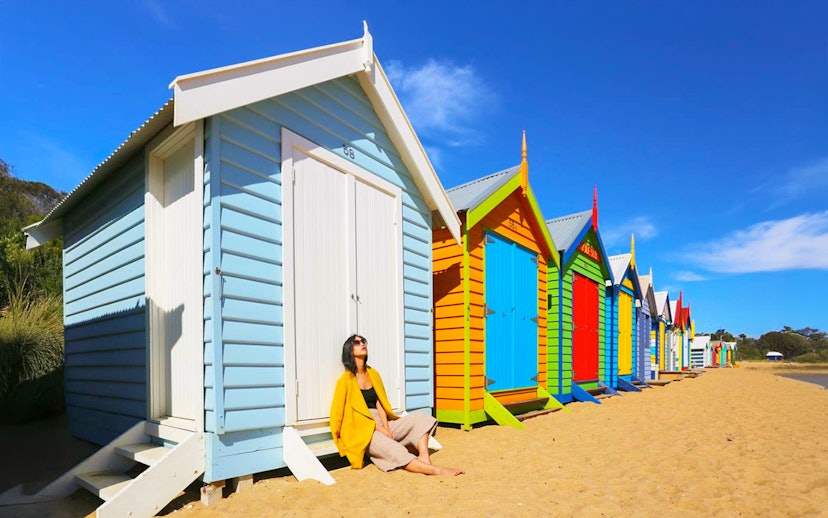
Brighton Beach Bathing Boxes
Distance: about 1 hour by car
Worth knowing: This works better as a scenic photo stop on your way back toward Melbourne than as a full second attraction.
Arthur’s Seat summit
Distance: around 25–30 min by car
Worth knowing: It’s a good add-on if you want coastal views after the wildlife park, especially on a clear day when you’re already exploring the Mornington Peninsula.
Eat, shop and stay near Moonlit Sanctuary Wildlife Conservation Park
- On-site: The sanctuary café near the exit is the most practical option for coffee, snacks, and a light post-visit bite, but it’s more of a convenience stop than a place to plan your day around.
- 💡 Pro tip: Eat after your visit, not in the middle of it; most visits are only 2–3 hours long, and breaking the loop midway usually means missing the best keeper talk window.
- Moonlit Sanctuary gift shop: Wildlife-themed souvenirs and small gifts near the exit, and the simplest place to pick up something without adding another stop to your day.
Pearcedale is quiet and practical rather than atmospheric, so it makes sense mostly if you’re self-driving and building a Mornington Peninsula road trip. For most Melbourne visitors, Moonlit works better as a half-day or full-day outing than as the main reason to base yourself nearby overnight.
- Price point: The immediate area is more about convenience and driving access than a wide spread of hotel choices.
- Best for: Visitors with a car who want to combine Moonlit with Phillip Island, peninsula lookouts, gardens, or wineries without returning to Melbourne between stops.
- Consider instead: Stay on the Mornington Peninsula coast for a fuller regional trip, or stay in Melbourne if Moonlit is just one attraction in a broader city itinerary.
Frequently asked questions about visiting Moonlit Sanctuary Wildlife Conservation Park
Most visits take 2–3 hours. That’s enough time for the kangaroo feeding area, koalas, wombats, and at least one keeper talk. If you’ve booked a private animal encounter or you want to catch several talks without rushing, plan closer to 3.5 hours.
You should book in advance for lantern tours, koala encounters, wombat encounters, and quokka encounters. Standard daytime admission is more flexible, but peak dates such as school holidays and weekends are still better booked ahead so you’re not building the day around last-minute availability.
Arrive about 10–15 minutes early for any timed encounter or evening tour. That gives you enough time to check in, sort out feed purchases if you want them, and start on schedule without cutting into the experience itself.
A small day bag is the best option here. You’ll want room for sunscreen, a hat, fly repellent, water, and a light jacket for evening visits, but a large bag just gets in the way in feeding areas and during any keeper-supervised animal encounter.
Yes, photography is part of the experience and most visitors spend a lot of time taking animal photos. Natural-light photos work best, and it’s sensible to avoid flash around animals. If you’re in a private encounter, follow the keeper’s instructions on where to stand and when to shoot.
Yes, groups are common here, including families, school groups, and coach tours. The main thing to know is that bigger groups change the pace of the park, especially around the central kangaroo feeding area and keeper talks, which is another reason early arrivals feel easier.
Yes, it’s one of the easier wildlife attractions near Melbourne for families because the park is manageable, interactive, and mostly self-paced. Young children usually get the most out of the kangaroo feeding area, koalas, and one short keeper talk rather than trying to cover everything.
It is mostly accessible, with generally flat paths through most of the park. The daytime visit is easier than the Evening Lantern Tour, which involves moderate walking in lower light and can feel more demanding if you have limited mobility.
Yes, there is a small café on site near the exit. It’s best treated as a practical stop for a snack or coffee rather than a major meal stop, because most people finish the sanctuary in one continuous loop and then eat afterward.
A daytime visit is self-guided and built around kangaroo feeding, koalas, and keeper talks, while the Evening Lantern Tour is a guided 1.5–2-hour experience focused on nocturnal animal activity. If you want the most unique version of Moonlit, the night tour feels more distinctive than simply visiting later in the afternoon.
Yes, private koala, wombat, and quokka encounters are separate paid add-ons and should be booked ahead. They are short, usually around 10 minutes, and limited in capacity, so they’re not something to assume you can add casually once you arrive.
Wear comfortable clothes for an outdoor bushland walk and dress for the weather. On warm days, that means sun protection and fly repellent; on evening tours, it means bringing a jacket because temperatures drop quickly once the light goes.