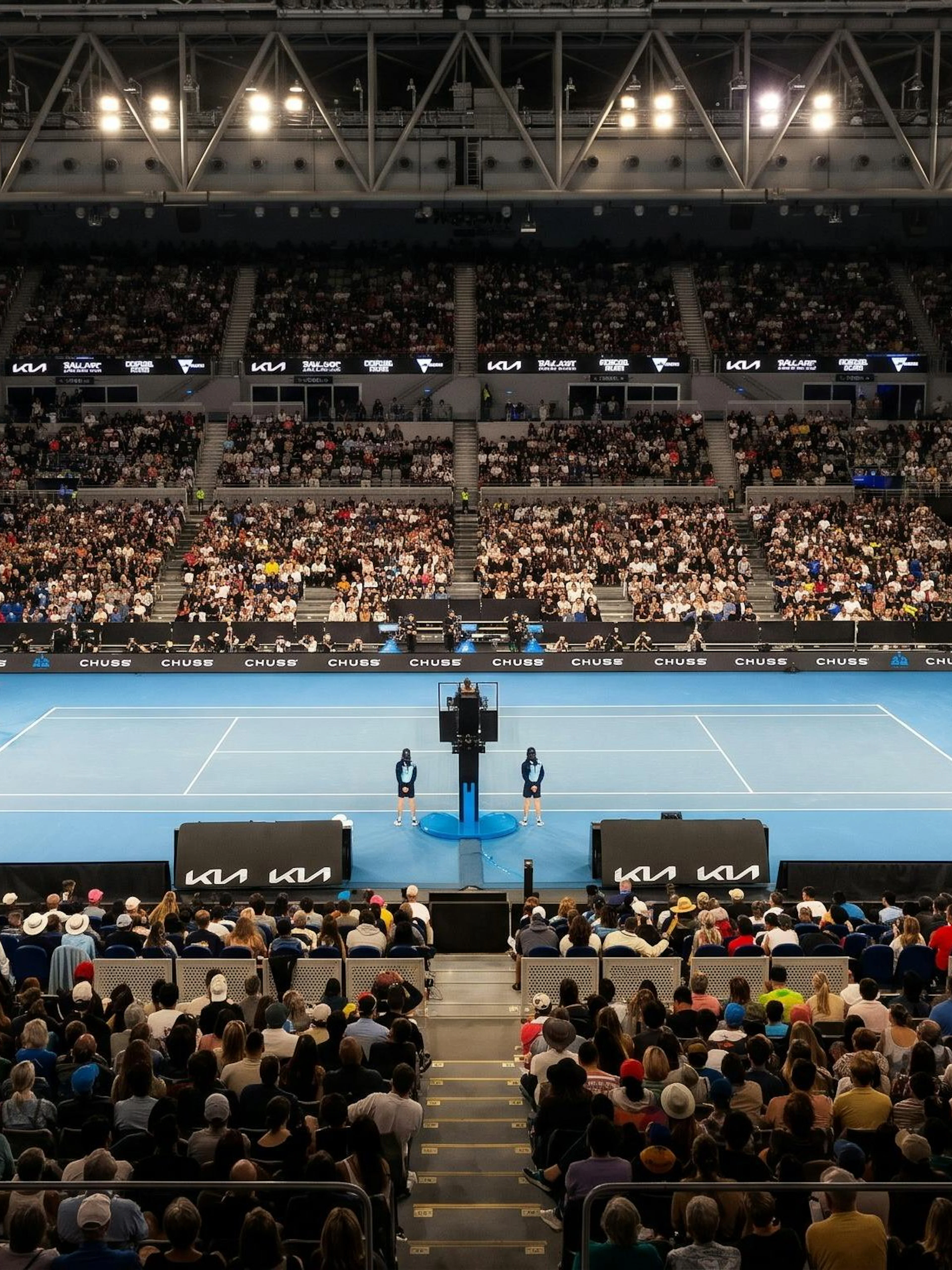
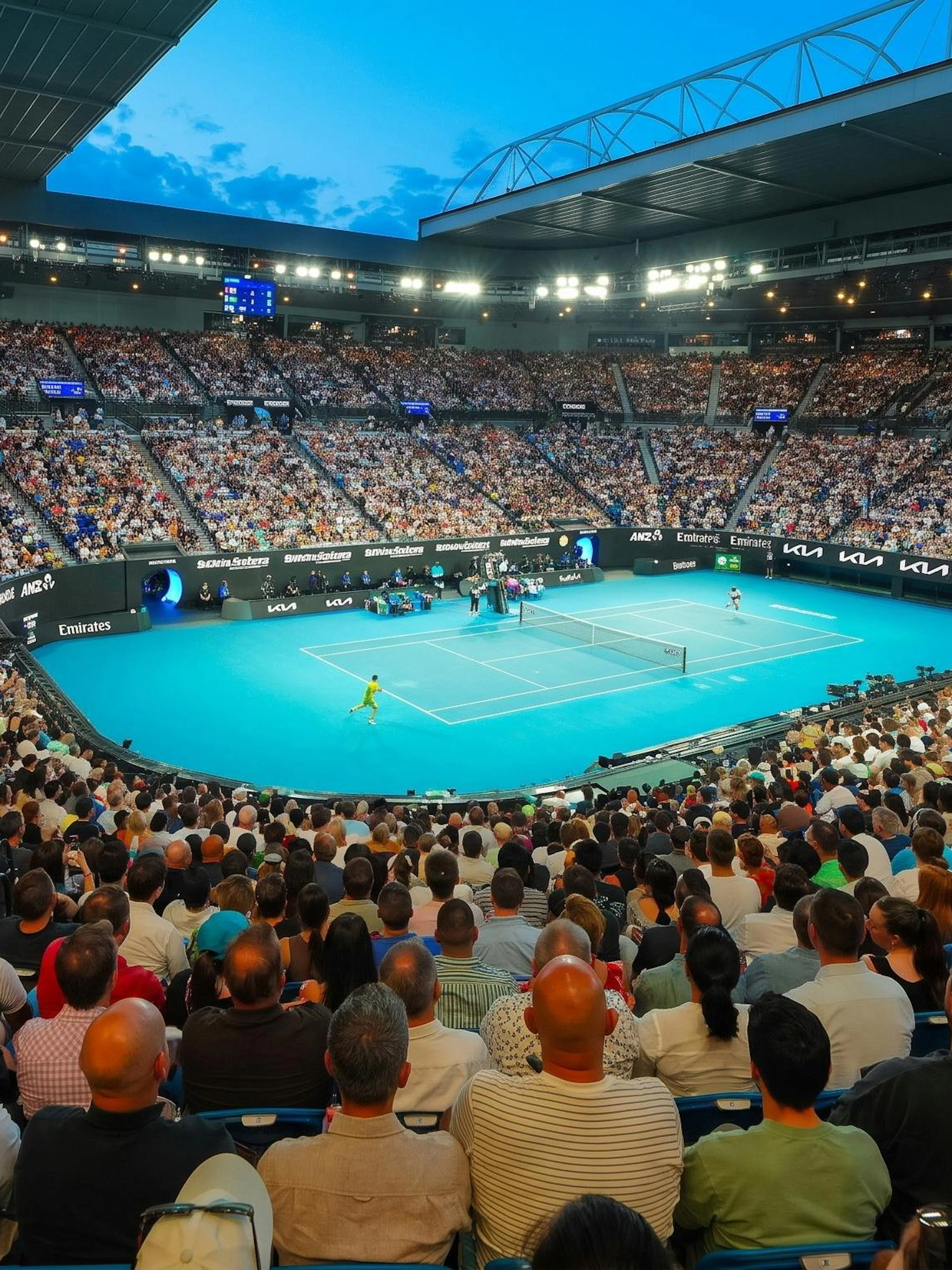
- The Australian Open runs across roughly two January weeks, with separate day and night sessions.
- Exact start times and daily order of play change by date and round.
- Day sessions usually take 4–7 hours; night sessions often run 3–5 hours.
- Security screening plus the walk to seats can add 30–60 minutes.
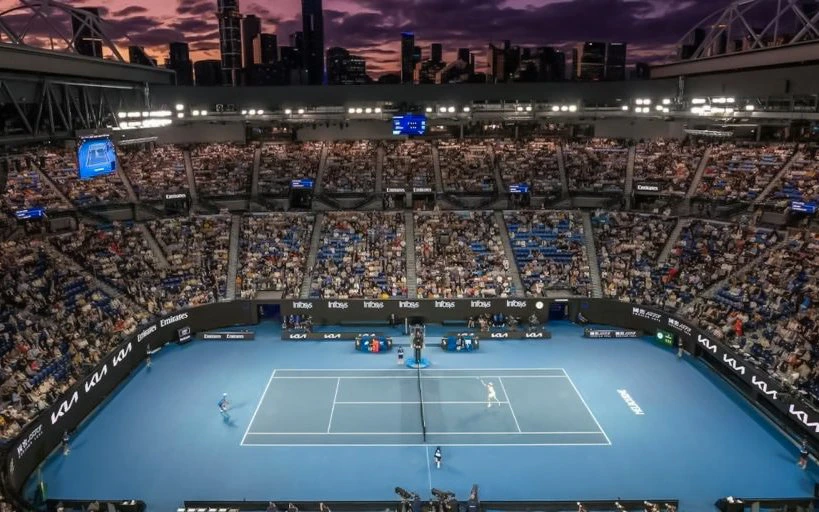
- Day sessions show more tennis overall; night sessions feel cooler and livelier.
- January is the only tournament window, with peak Melbourne summer heat.
November 2026
Experience the best Australian Open tickets in Melbourne
Crafted by Headout, a global experiences brand offering curated tours, tickets & experiences. Discover with ease, book with peace.Loved by over 57 million guests worldwide
Top things to do in Melbourne
Why attend the Australian Open in Melbourne?
1/6
Because Melbourne does summer tennis like nowhere else
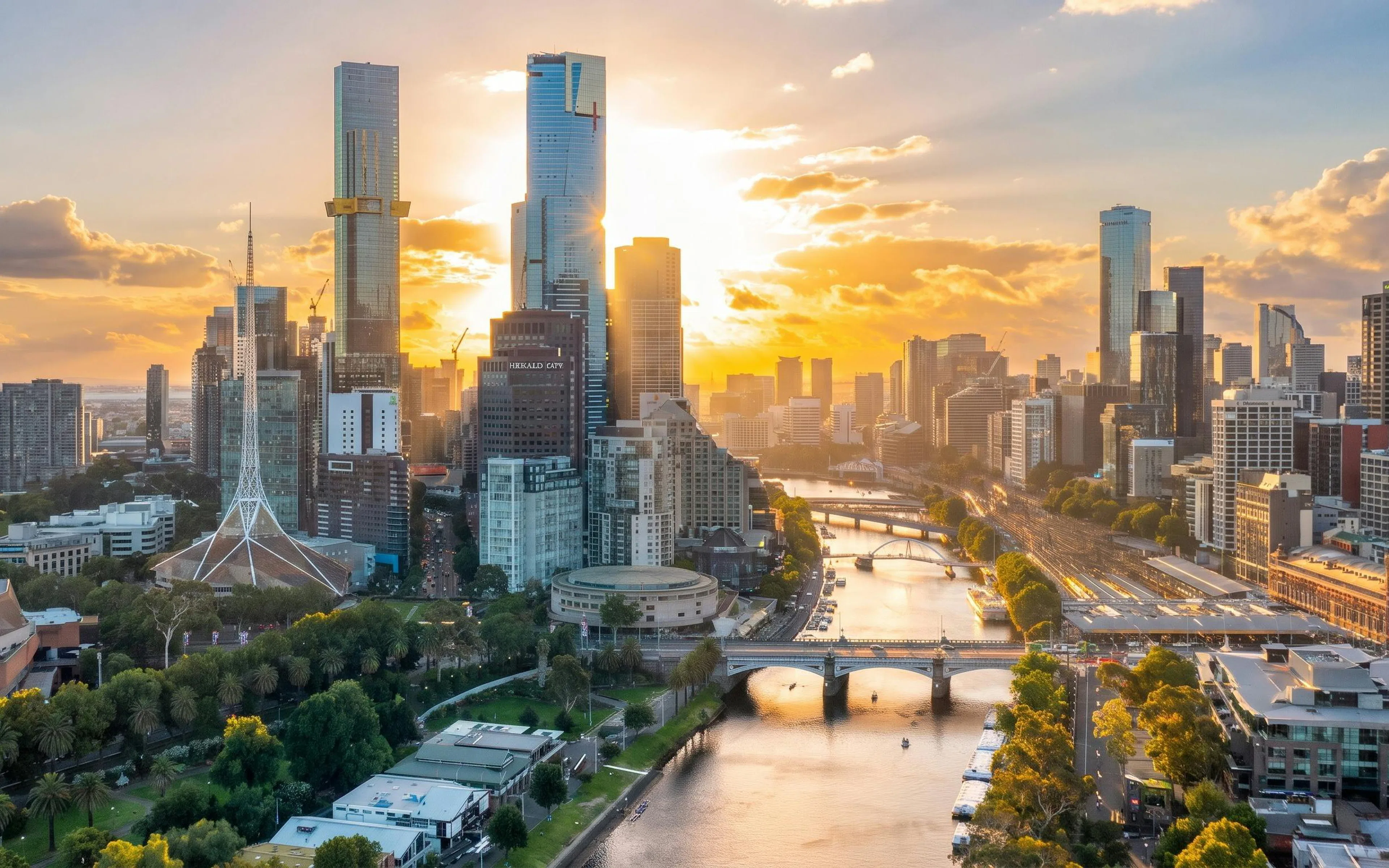
This is the Grand Slam that comes with sunshine, late sunsets, and warm evening air. You’re not just watching elite tennis—you’re stepping into Melbourne in full summer mode, where the city feels outdoorsy, buzzy, and very ready to make a day of it.
Because the atmosphere spills way beyond the court
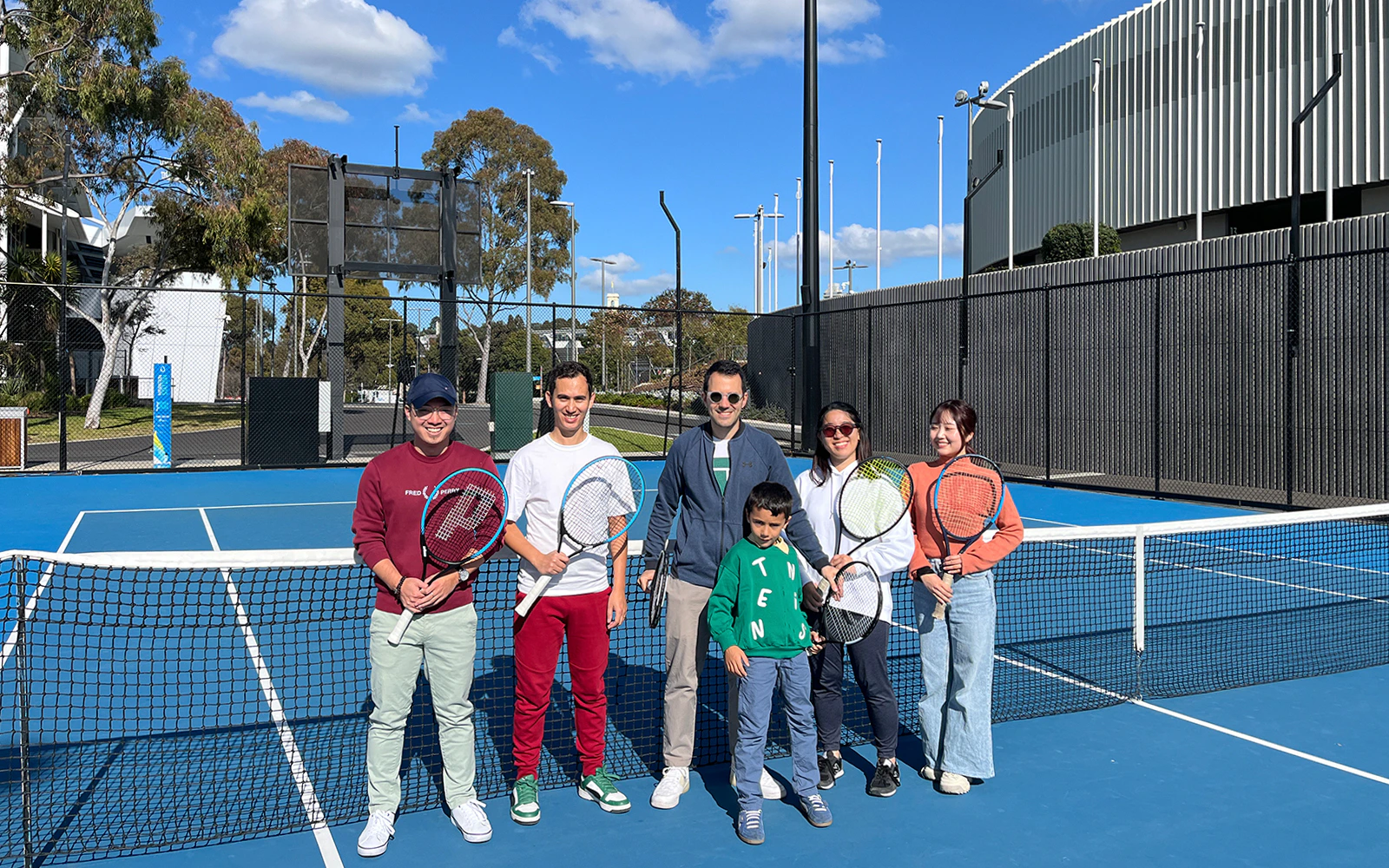
At Melbourne Park, the energy doesn’t end at the baseline. Between matches, you’ll find big screens, bars, food stalls, live entertainment, practice courts, and fans drifting from one moment to the next.
Because you can get thrillingly close to the action
Even without a main-arena seat, the Australian Open can feel surprisingly intimate. On outside courts and practice areas, you’re often just a few rows from the players—close enough to hear the ball strike, the footwork, and the occasional frustrated mutter.
Because Melbourne makes it easy to slot into your trip
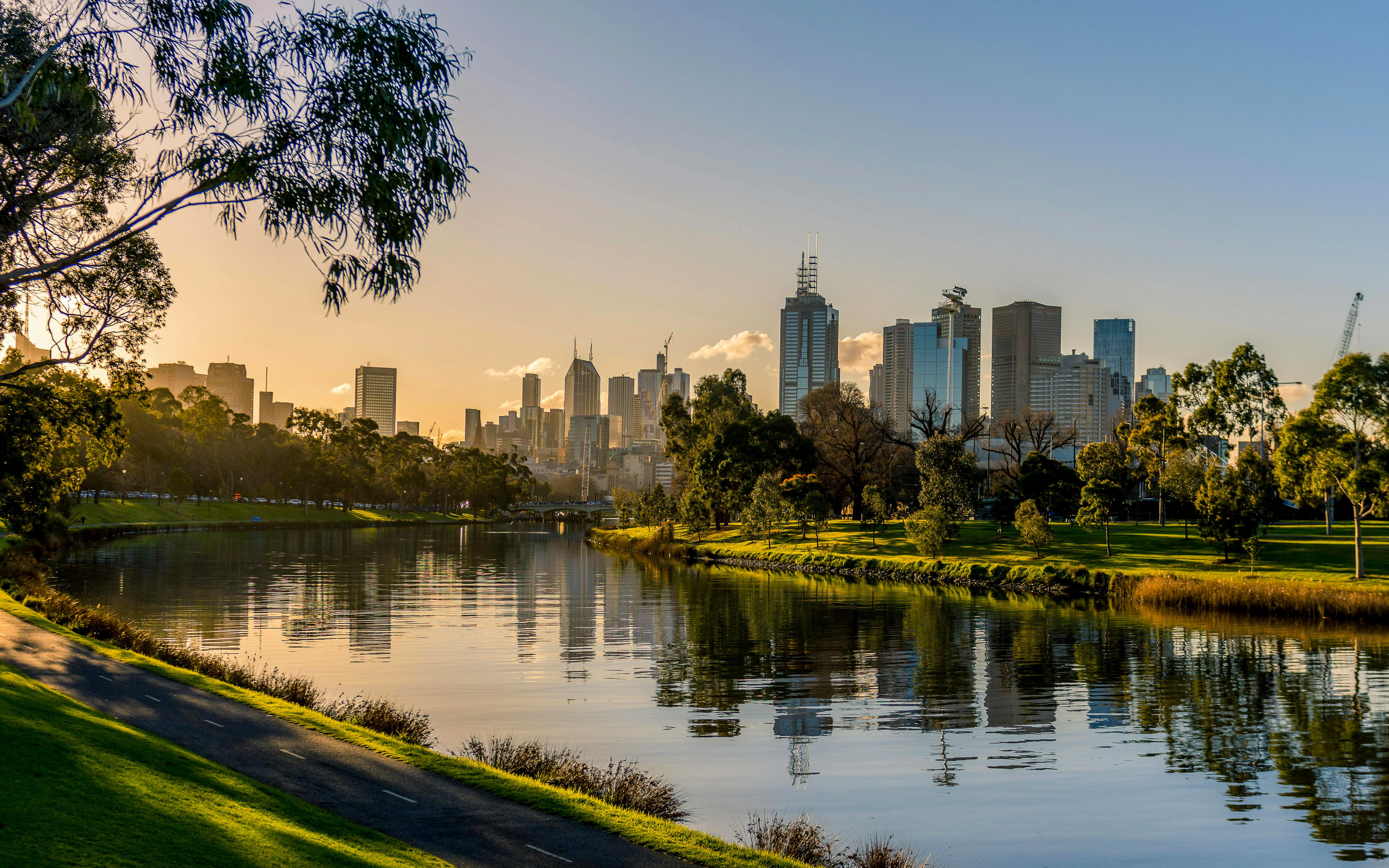
One of the best parts? It doesn’t feel cut off from the city. Melbourne Park is an easy walk or tram ride from the CBD, so you can pair a session with laneway coffee, riverside drinks, or dinner in Richmond or Southbank.
Because you can choose your own version of the Open
Want to roam the grounds and chase variety? Go for that. Want a reserved seat for a marquee night match? Also valid. The Australian Open works whether you’re a casual fan, a full-blown tennis obsessive, or just here for the atmosphere.
Because it gives you a real feel for the city
Melbourne loves sport, and you can feel that immediately in the crowds, the confidence, and the all-day event energy. Attending the Australian Open isn’t just about ticking off a famous tournament—it’s one of the best ways to tap into what Melbourne is actually like when it’s at its liveliest.
Highlights of your Australian Open experience
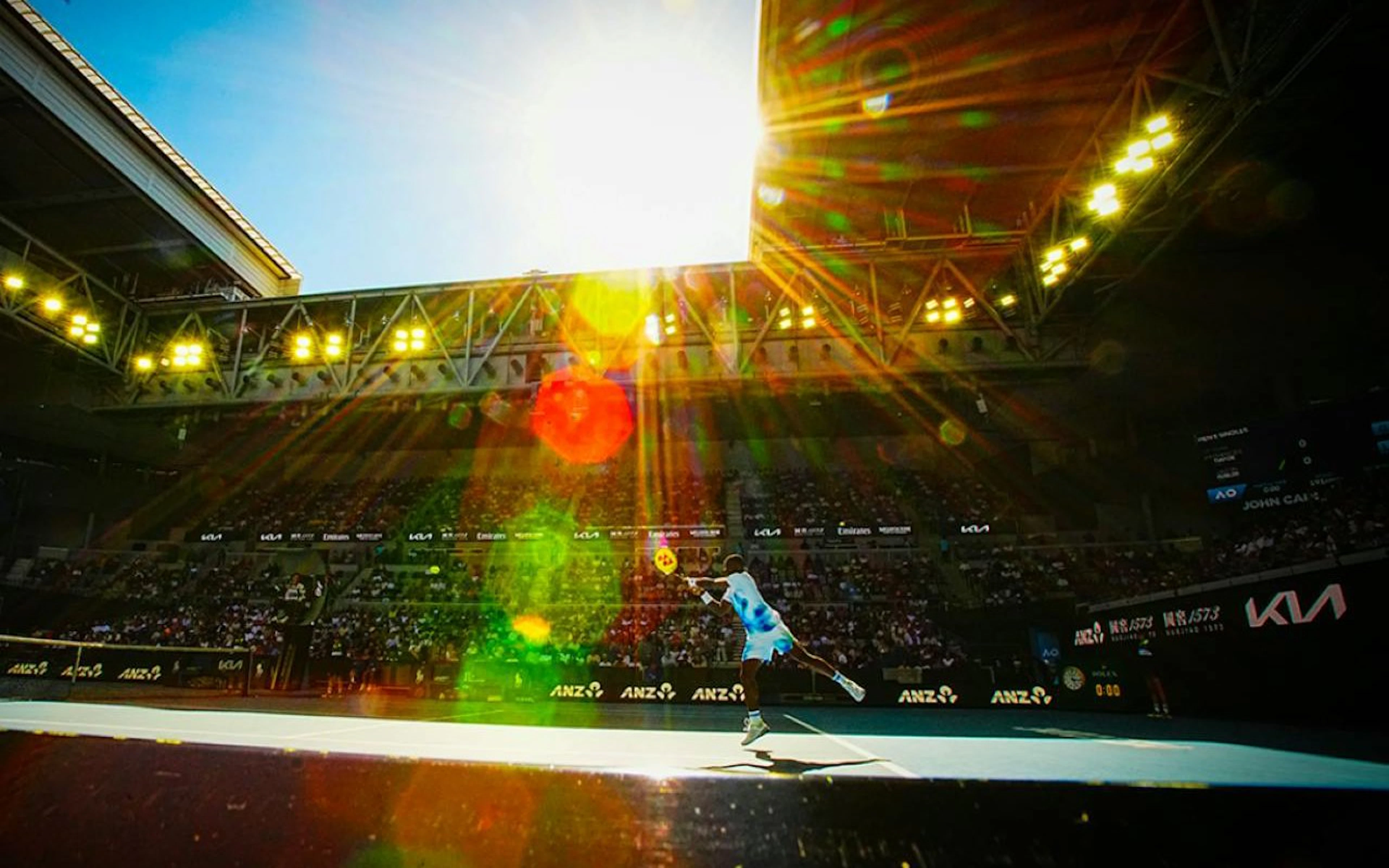
Outside courts at eye level
From the low rows on the outside courts, the pace feels immediate. You’re close enough to track spinning serves, sliding recoveries, and sharp cross-court angles, with little separating your seat from the baseline except a narrow barrier and a pocket of sunlit, collective concentration.

Plan your Australian Open experience

Timings & duration
Starting point & meeting area
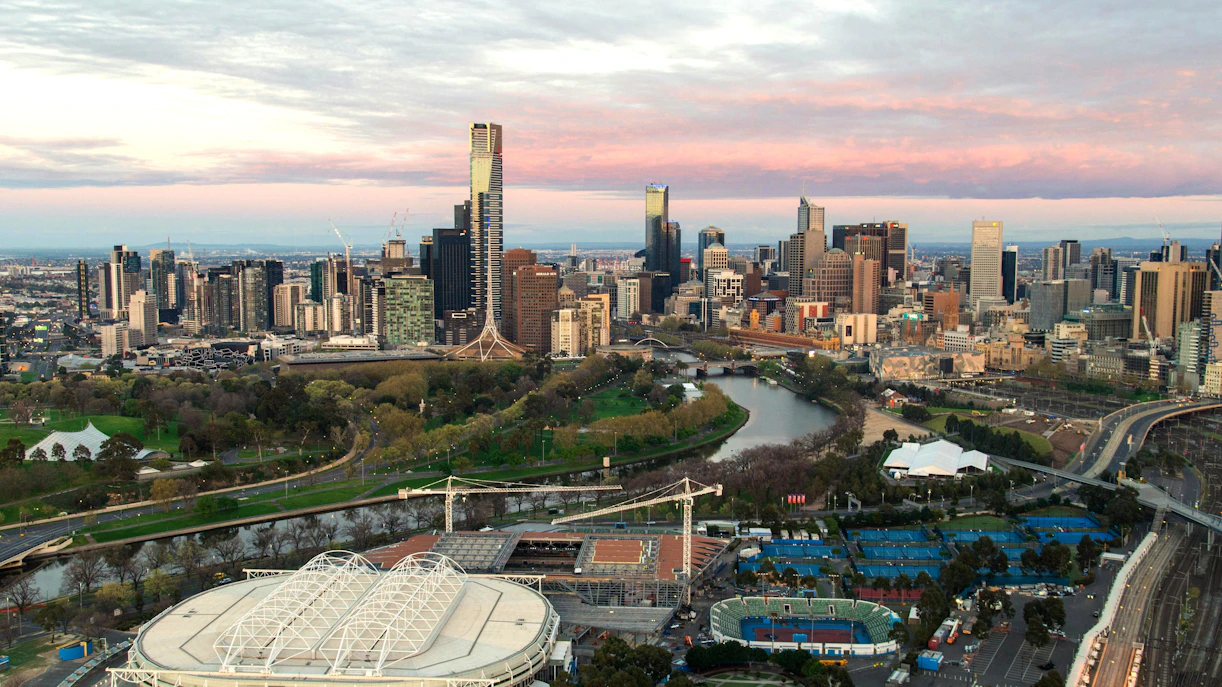
- Melbourne Park sits just east of Melbourne CBD, beside the Yarra River and the MCG.
- Melbourne Park, Batman Ave, Melbourne VIC 3004, Australia — Google Maps
Getting there:
- Flinders Street Station or Federation Square to the gates takes about 15–25 minutes.
- CBD trams stop near Rod Laver Arena, followed by a 3–7 minute walk.
- Jolimont Station is about 8–15 minutes away on foot.
- Event parking is limited; drop-off zones around Olympic Boulevard vary yearly.
Practical considerations
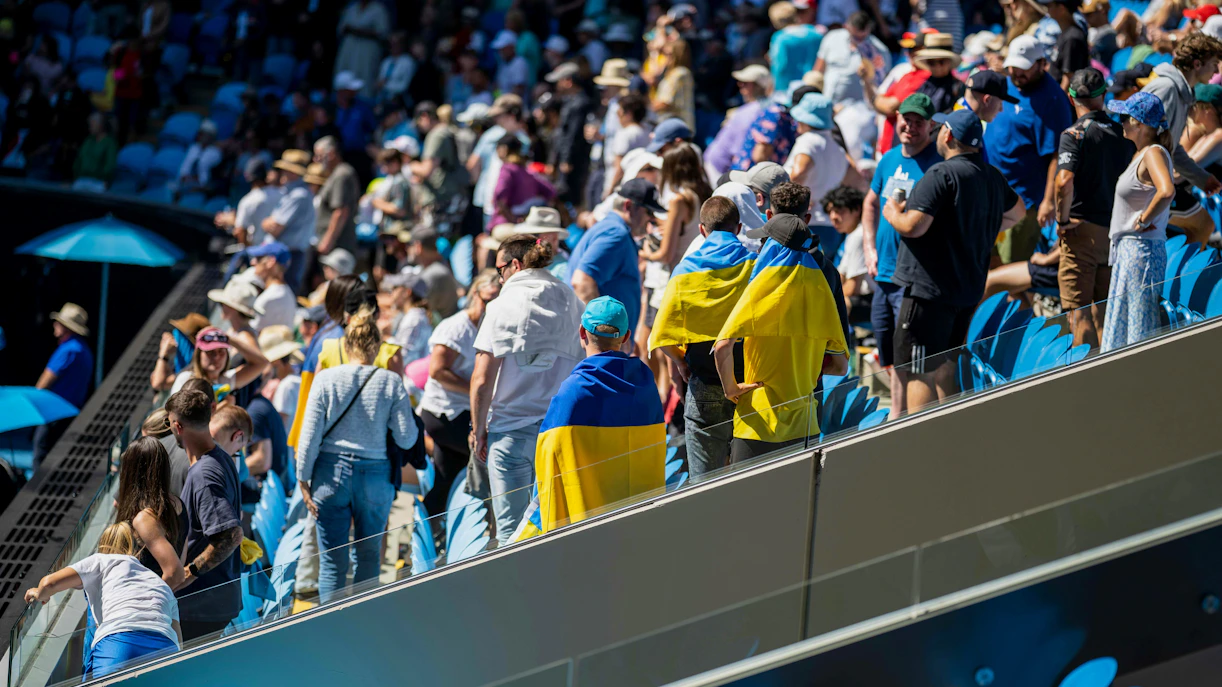
- Expect long walks across bridges, concourses, fan zones, and outside courts.
- Rain and extreme heat can change schedules or pause play on open courts.
- Matches can overrun heavily, especially in night sessions and later rounds.
- Late finishes and summer heat can be tiring for younger children.
- Main arenas offer step-free routes, lifts, and accessible seating options.
- Reserved stadium seats reduce standing time compared with ground-pass roaming.
Facilities
- Restrooms and accessible toilets are spread across the arenas and wider precinct.
- Food options include quick stalls, bars, pop-ups, and larger dining areas.
- Information booths and printed maps sit near major gates and central walkways.
- First-aid and medical points operate across Melbourne Park during the tournament.
- Fan zones provide big screens, seating areas, and shaded breaks between matches.
- Main arenas add indoor concourses and lifts for easier cooling-off breaks.

Clothing & carry-ons
- Light, breathable clothing works best for Melbourne’s hot January afternoons.
- Comfortable walking shoes matter; precinct distances add up fast across one session.
- A hat, sunglasses, and sunscreen help during exposed outside-court viewing.
- Small bags move through screening faster than bulky backpacks or tote bags.
- Personal cameras are usually fine; large lenses and video gear can face restrictions.
- AO changes bag, food, and drink rules yearly, so current checks matter.

ID & access
- Mobile barcodes are the standard entry method at Melbourne Park gates.
- Each ticket links to one specific date and session, not flexible entry.
- Concession or accessibility bookings may require supporting ID or documentation.
- Outer security screening applies to all ticket types, including premium products.
- AO sets bag limits, prohibited items, and re-entry rules each tournament year.
- Official links from ausopen.com lower the risk of invalid resale barcodes.
November 2026

ID & access
- Tickets: Mobile and printed barcodes usually scan at public entry gates onsite.
- Scan point: Ticket checks happen after security at the perimeter.
- Photo ID: Hospitality and licensed 18+ zones may request identification.
- Help point: Box offices near main entrances handle barcode problems.
- Re-entry: Same-day exit and return rules can change each year.
- Resale caution: Unofficial resale tickets carry higher scan-failure risk.
Checked: January 2025
Tips & guidelines
- January sun on hard courts feels stronger than the forecast suggests, so wear breathable clothing, a brimmed hat, sunglasses, and high-SPF sunscreen even on partly cloudy days.
- Wear cushioned walking shoes rather than sandals. You’ll cover a large precinct, climb stadium steps, and sometimes stand in outside-court queues longer than expected.
- Bring a fully charged phone and a small power bank. Tickets, daily order-of-play updates, seating maps, and meeting points all tend to live on your screen.
- If you’re watching from a stadium seat, plan snack and bathroom breaks around changeovers. Ushers may hold re-entry during points so you don’t disrupt play.
- On ground-pass days, pick one or two must-see outside-court matches and line up early. Popular courts can hit capacity fast, especially for local players or rising stars.
- Even on hot days, pack a light layer for night sessions. Matches can run late, and indoor air in roof-closed arenas may feel cooler than expected.
Frequently asked questions about Australian Open tickets
Yes, if you want a flexible, lower-cost first visit. An Australian Open ground pass gives access to outside courts, practice courts, fan zones, and precinct entertainment, but not reserved seats in Rod Laver or Margaret Court arenas. Choose a stadium ticket if seeing top players matters most.
Rod Laver Arena tickets include a reserved seat for your booked day or night session, plus access to Melbourne Park grounds that day. You can still visit outside courts, practice areas, food zones, and fan spaces before or between stadium matches.
Day sessions usually offer more total tennis across the grounds, but they’re hotter and sunnier. Night sessions are cooler and often feel more atmospheric in the main arenas, though matches can run very late. Choose based on heat tolerance, schedule, and match priorities.
Most visitors spend around 4–7 hours at a day session and 3–5 hours at a night session. Match lengths vary, so some sessions run longer than expected. If you want time for practice courts, food, and fan zones, allow extra time onsite.
No ticket can fully guarantee a specific player because the Australian Open order of play is set daily and can change. Top players are more likely to appear in Rod Laver Arena, especially in later rounds, but schedules are never fixed far in advance.
Aim to reach Melbourne Park 30–60 minutes before your session starts. All visitors go through security and ticket scanning, and first-time visitors often need extra time for wayfinding. Arrive earlier if you want to explore practice courts or fan zones before play begins.
No. Standard Australian Open tickets do not skip security or outer-gate entry checks. All visitors pass through bag screening before entering Melbourne Park. Some premium products may use dedicated lanes, but security screening still applies, so it’s smart to build in extra arrival time.
Bag and prohibited-item rules change by year, but small amounts of food and sealed non-alcoholic drinks may be allowed. Alcohol, oversized bags, and some camera equipment are usually restricted. Check the current Australian Open bag policy before packing, especially for bottles and lenses.
Re-entry rules can vary by year and are controlled through the Australian Open conditions of entry. Some tickets may allow pass-outs with scanning, while others may have limits. If you’re planning to leave for a meal or break, check the current re-entry policy first.
Yes, mobile Australian Open tickets are widely accepted and usually recommended. Keep your ticket downloaded or saved before arriving, and turn your screen brightness up for scanning. Printed tickets may still work in some cases, but digital entry is the usual option.
Yes, Melbourne Park offers wheelchair-accessible seating, step-free routes, and lifts in the main arenas. Book accessible seats through official ticket channels and request any companion support at the time of booking. Crowds and walking distances can still be significant, so allow extra time.
Yes, the Australian Open is generally family-friendly, with kids’ activities and open precinct areas. Ground passes often work well for shorter visits because families can move around freely. The main challenges are summer heat, crowds, and very late finishes during some night sessions.
The Australian Open’s three main stadiums have retractable roofs, so Rod Laver Arena, Margaret Court Arena, and John Cain Arena offer better weather protection. In extreme heat or rain, outside-court play may pause or schedules may change under the event’s heat policy.
Buy Australian Open tickets only through official links from ausopen.com and its authorised ticketing partners, such as Ticketek. Avoid unofficial resale sites unless they’re specifically approved, because invalid or cancelled barcodes can leave you unable to enter Melbourne Park.
Yes, but you may be asked to wait for a changeover before returning to your seat. That’s standard tennis etiquette and helps avoid distracting players and other spectators. If you need food, restrooms, or shade breaks, try to move between games rather than mid-point.