Quick Information

VISITORS PER YEAR

1500000

NUMBER OF ENTRANCES

2

Plan your visit

Did you know?

A large portion of NGV’s acquisitions come from the Felton Bequest (a bequest by Alfred Felton in 1904). Over the years, more than 15,000 works have been purchased through this fund.

The NGV International building is famously surrounded by a shallow moat and water features, part of a cohesive architectural vision to frame the gallery elegantly.

The recent Yayoi Kusama exhibition (2024–25) shattered NGV records: over 570,000 visitors, making it the most attended ticketed exhibition in NGV history and the highest attendance for a visual art show ever in Australia.

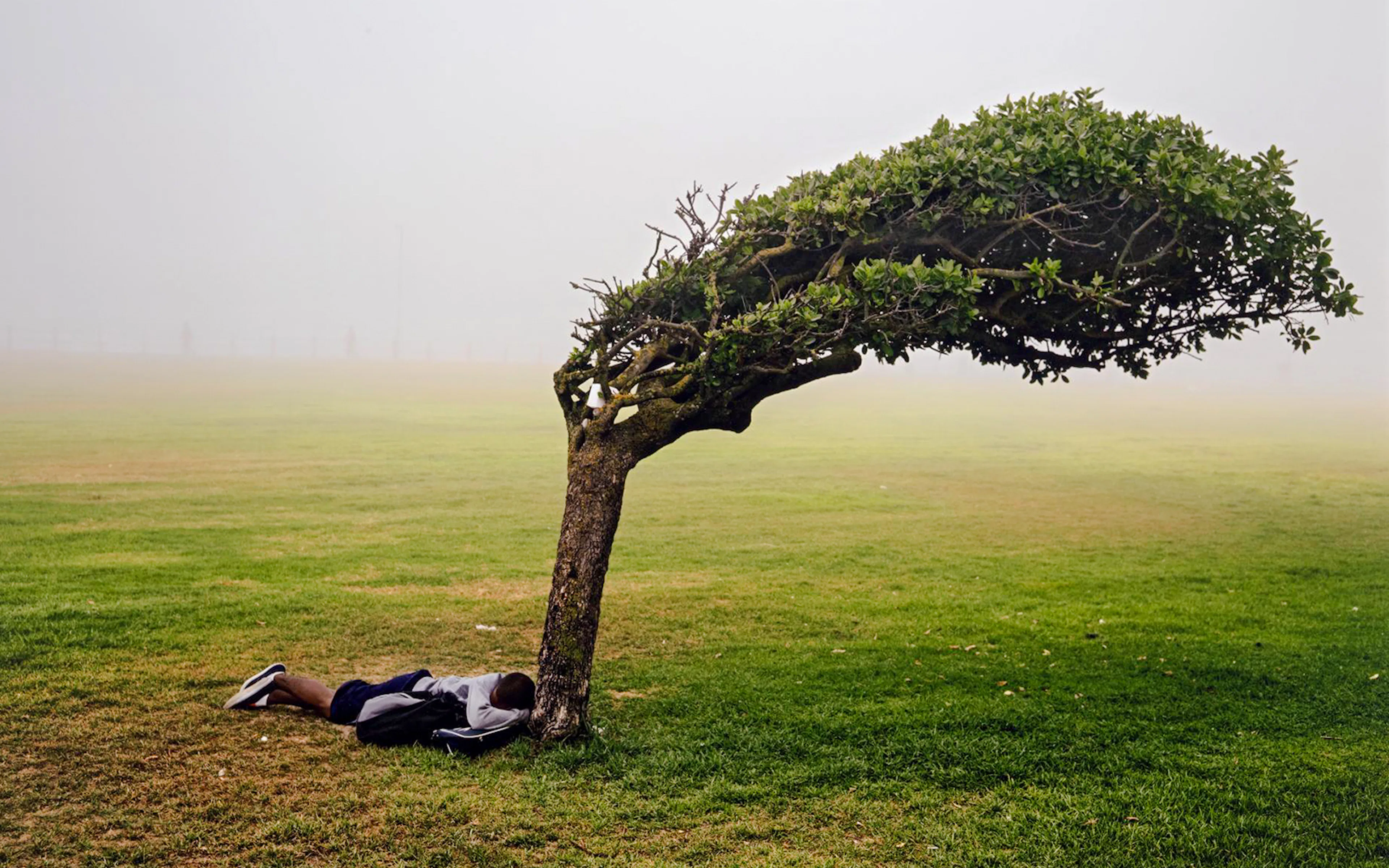
Person lying under a wind-swept tree in a foggy field, National Gallery of Victoria.
1/6

Australia's oldest and most visited art museum

Explore one of Australia's premier cultural institutions, home to an extensive collection spanning thousands of years of art, design, fashion, photography, and decorative arts from around the world.

Experience blockbuster exhibitions

Discover internationally acclaimed exhibitions featuring celebrated artists, museums, fashion houses, and exclusive collections that regularly make Melbourne a global art destination.

Admire iconic architecture

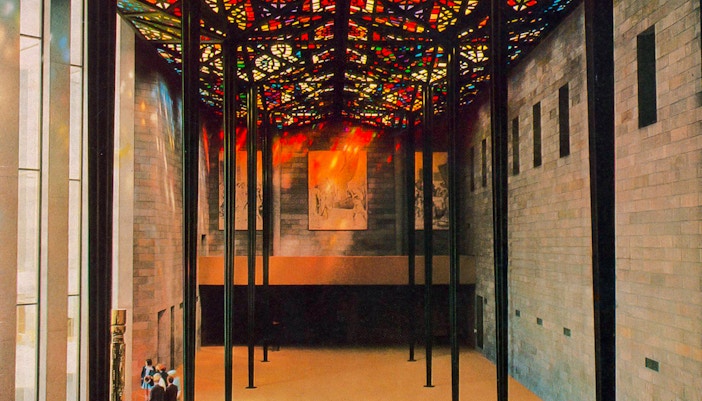
Walk through the famous Water Wall entrance and relax beneath Leonard French's breathtaking stained-glass ceiling in The Great Hall, one of Melbourne's most recognisable public artworks.

Explore world-class art collections

From European masterpieces and Asian treasures to Indigenous Australian art, contemporary installations, and fashion exhibitions, NGV offers something for every art lover.

Family-friendly and inspiring

Interactive galleries, creative programs, family trails, and school holiday activities make the gallery an engaging destination for visitors of all ages.

Free permanent galleries

Enjoy free admission to NGV's permanent collections year-round, with only selected temporary exhibitions and special events requiring a ticket.

The Great Hall

One of NGV's most iconic spaces, The Great Hall features Leonard French's magnificent stained-glass ceiling and serves as a peaceful place to relax while admiring one of Australia's most celebrated public artworks.

Plan your visit to NGV

International Collection

Explore galleries showcasing European paintings, sculptures, decorative arts, Ancient civilizations, Asian art, and works from across the globe spanning centuries of artistic history.

Plan your visit to NGV

International Collection

Explore galleries showcasing European paintings, sculptures, decorative arts, Ancient civilizations, Asian art, and works from across the globe spanning centuries of artistic history.

Plan your visit to NGV

Temporary Exhibition Galleries

Visit world-renowned exhibitions featuring internationally celebrated artists, fashion designers, photographers, and major museum collections touring exclusively through Melbourne.

Contemporary Art Galleries

Discover innovative installations, multimedia works, sculptures, and contemporary Australian and international artists pushing the boundaries of modern art.

Fashion & Textile Galleries

See haute couture, jewellery, textiles, furniture, ceramics, and decorative arts that celebrate creativity, craftsmanship, and design from different cultures.

Must-see highlights in NGV's collection
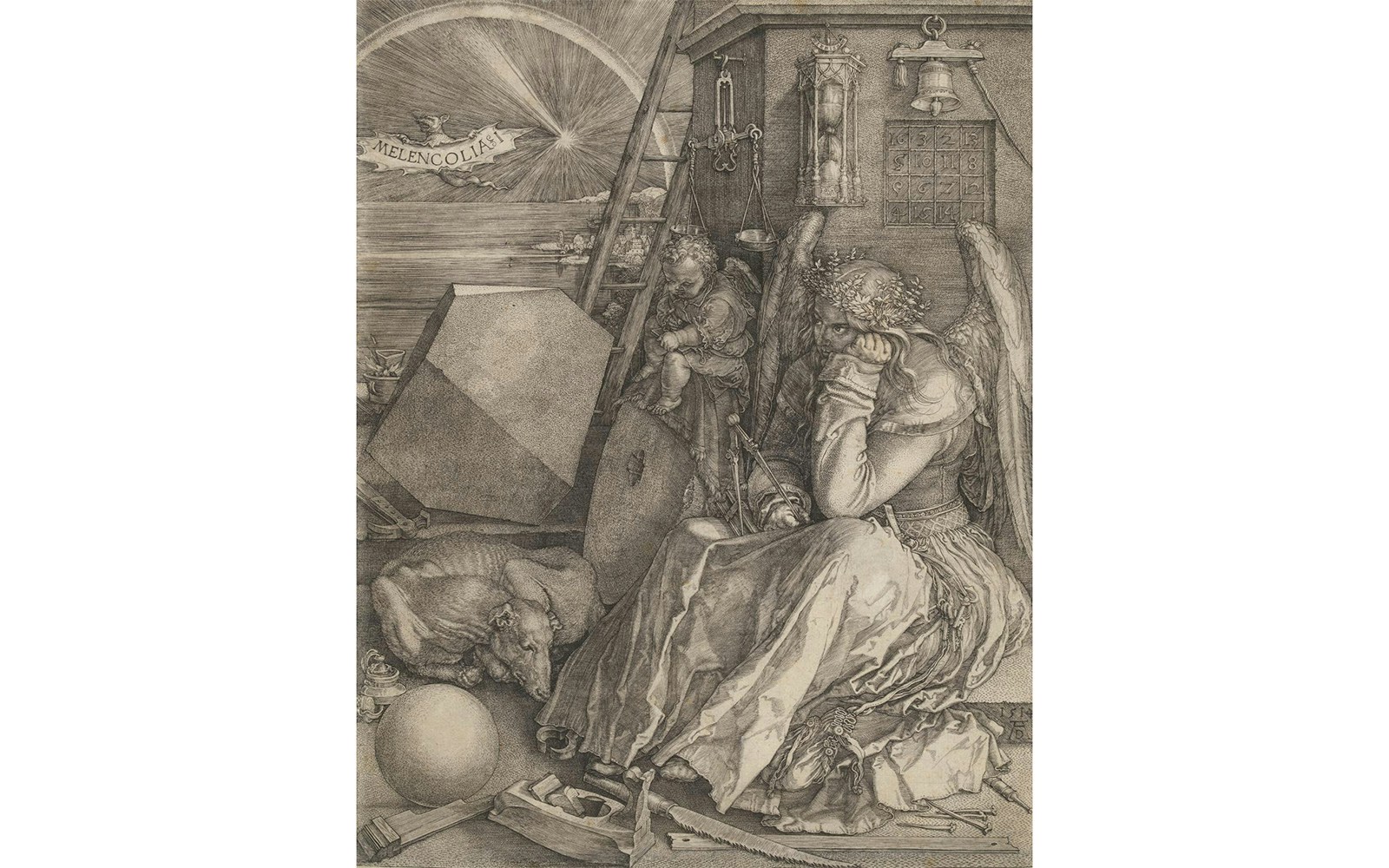
Angel with tools and geometric shapes in "Melencolia I" at National Gallery of Victoria.

Melencolia I by Albrecht Dürer (1514)
A masterful engraving of introspection and intellectual challenge. NGV holds one of Dürer’s finest copies.

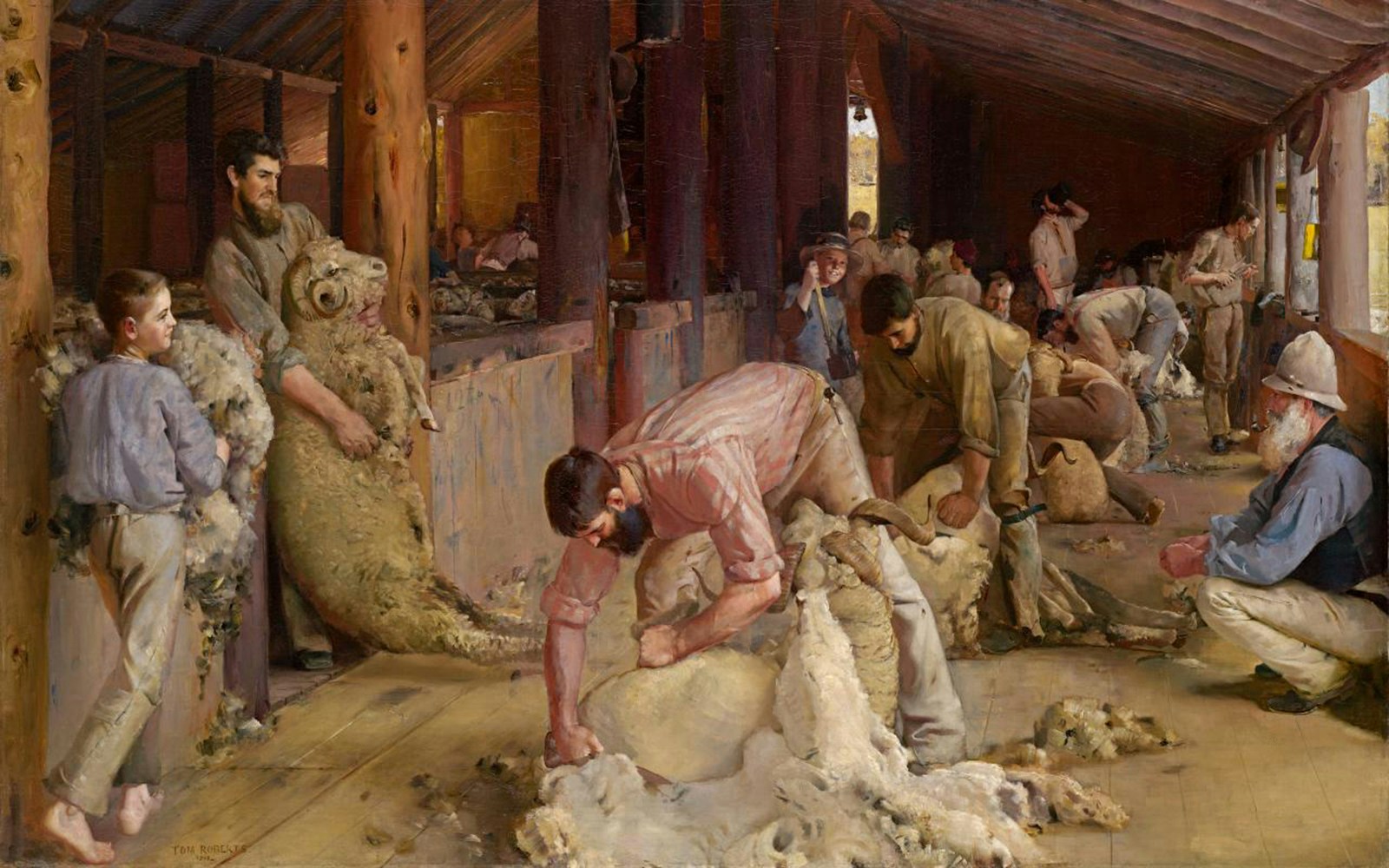
Sheep shearing scene at National Gallery of Victoria, showcasing workers in a shearing shed.
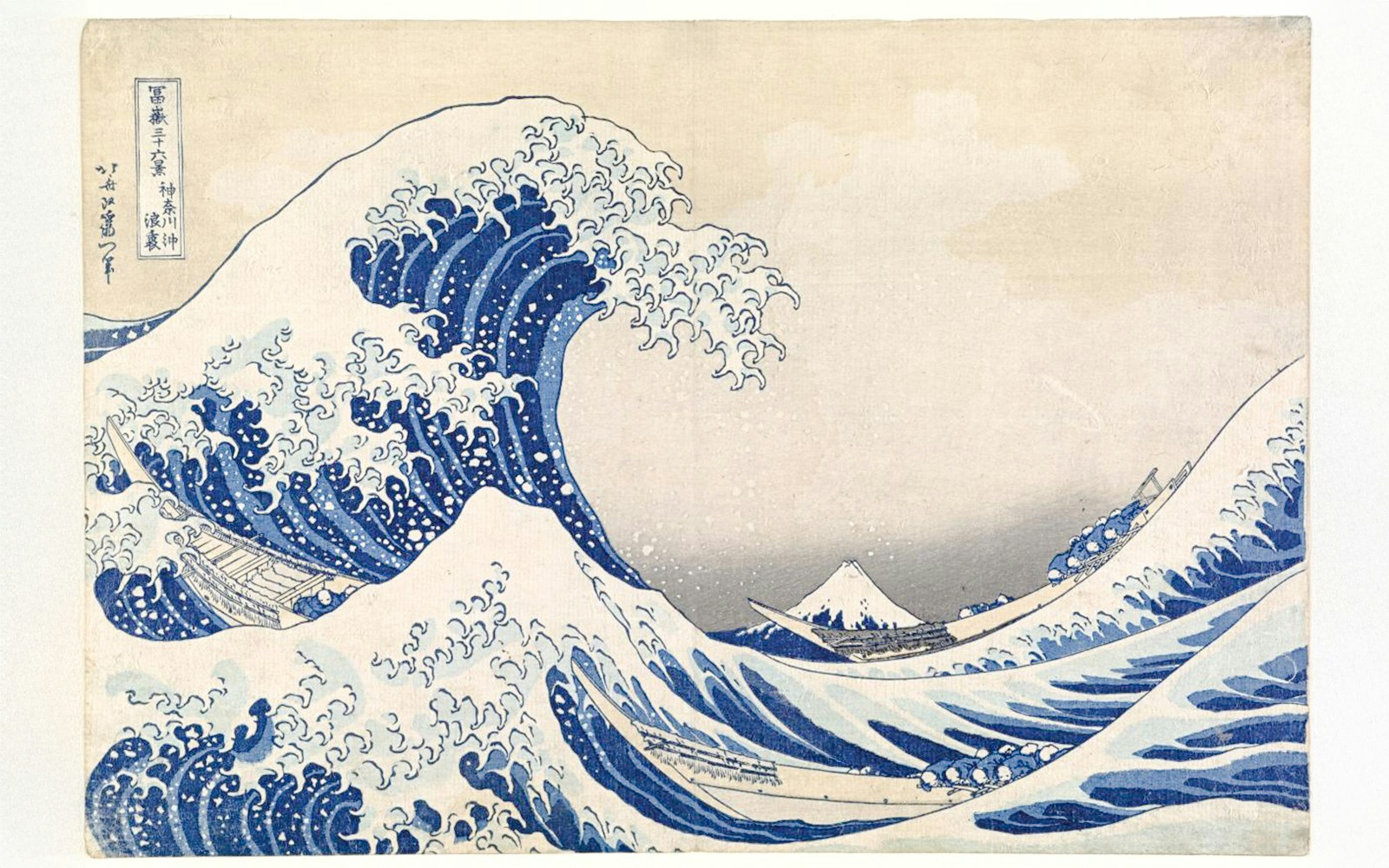
The Great Wave off Kanagawa by Hokusai, displayed at National Gallery of Victoria.
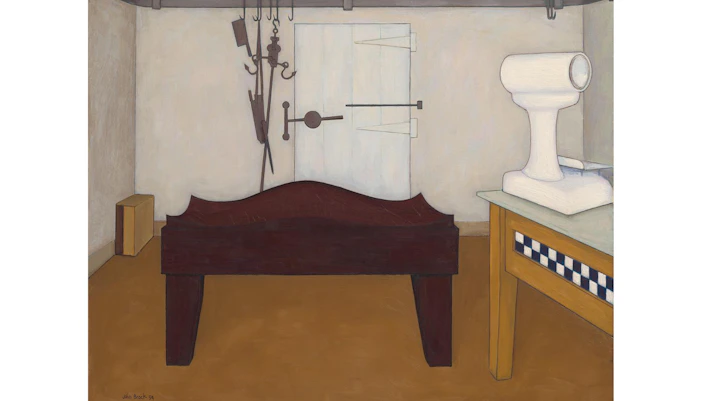
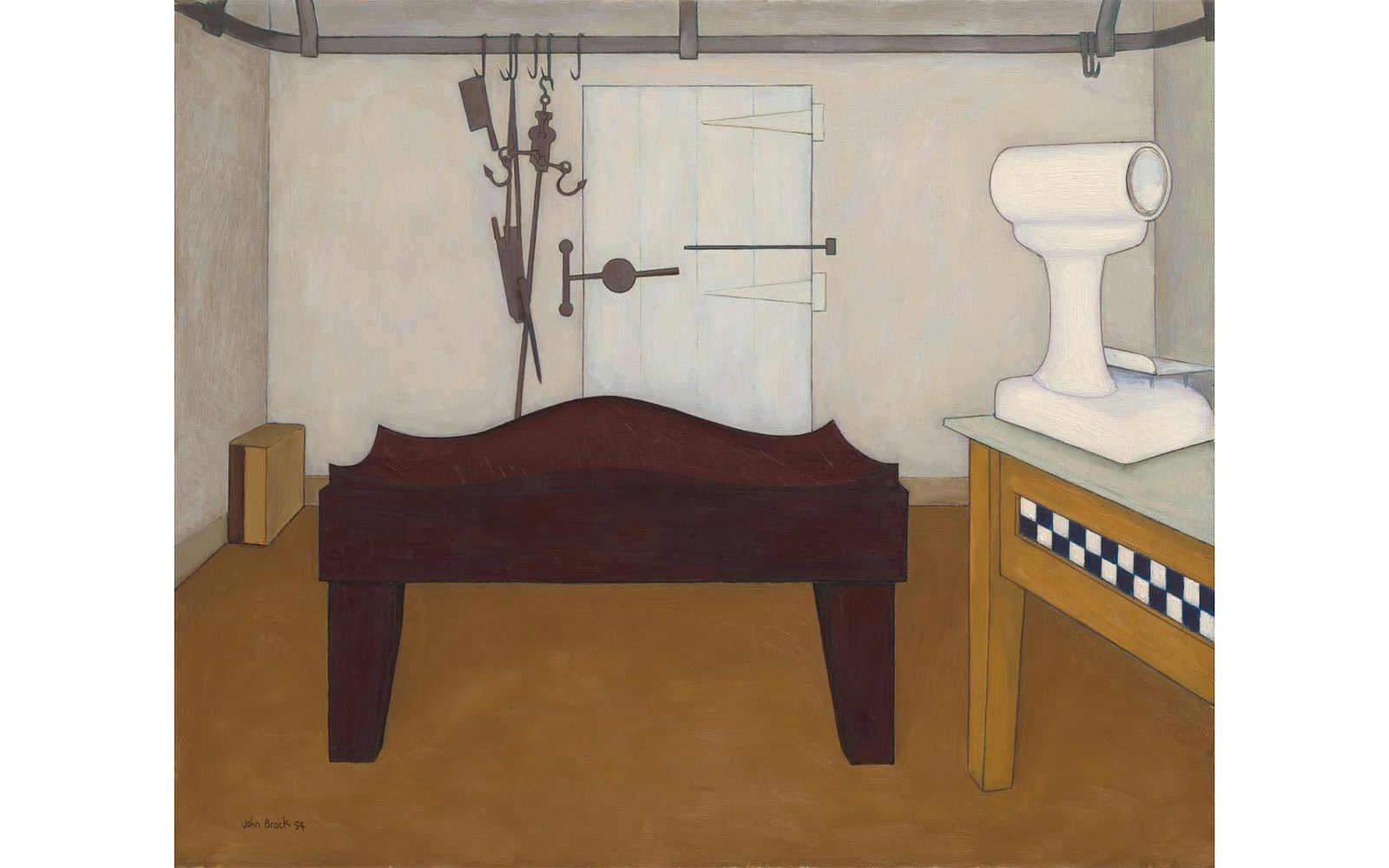
Interior scene from "The Block" by John Brack, featuring a butcher's shop at the National Gallery of Victoria.
The Thinker sculpture at National Gallery of Victoria, Melbourne.
  • 1861: The NGV is founded, making it Australia’s first public art gallery. It opens in the State Library of Victoria building.
  • 1880s–1900s: The collection rapidly expands, enriched by colonial art and acquisitions of Old Masters.
  • 1968: NGV International opens on St Kilda Road in a striking modernist building designed by Sir Roy Grounds. The Waterwall and Great Hall stained-glass ceiling become instant icons.
  • 2002: NGV Australia (The Ian Potter Center) opens in Federation Square, dedicated to Indigenous and Australian art.
  • 2003–present: The Melbourne Winter Masterpieces series launches, cementing NGV’s reputation for blockbuster international exhibitions.
  • Today: With over 70,000 works, NGV is Australia’s most visited gallery, blending global treasures with bold contemporary shows.

Check current and upcoming exhibitions at NGV >

Designing culture: The buildings behind NGV Melbourne

The National Gallery of Victoria is really two architectural landmarks in one. NGV International, on St Kilda Road, was designed in 1968 by Sir Roy Grounds, one of Australia’s most celebrated modernist architects. His design turned the gallery into a fortress of culture: bluestone walls, a surrounding moat, and the famous Waterwall at the entrance make the approach as memorable as the art inside. Step into the Great Hall and you’ll find Leonard French’s stained-glass ceiling, the largest of its kind in the world, casting a kaleidoscope of color that visitors love to admire lying flat on the floor.

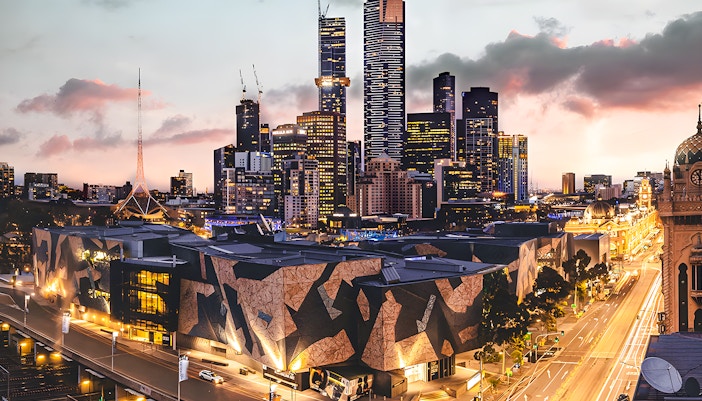
Across the river at Federation Square, the Ian Potter Center opened in 2002, designed by the innovative Lab Architecture Studio with Bates Smart. Its bold, angular façade of glass, zinc, and sandstone feels futuristic, a sharp contrast to Grounds’ solemn geometry. Together, the two sites embody Melbourne itself: a city that treasures heritage while embracing the avant-garde. Visiting both is like walking through two chapters of architectural history, each telling its own story about art and the city.

NGV houses one of Australia's largest art collections, with more than 75,000 works displayed across multiple floors and galleries at NGV International and The Ian Potter Centre: NGV Australia.