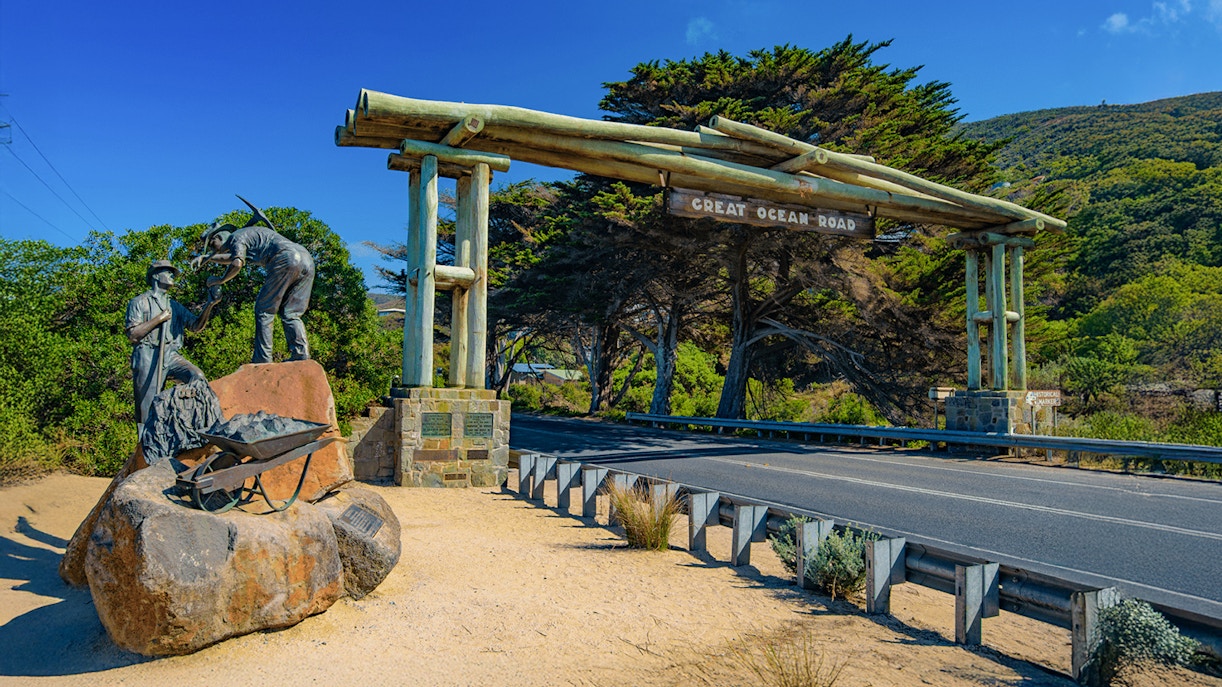
The road was built by returned servicemen as a war memorial for their fallen comrades in World War I. They used picks, shovels, explosives, wheelbarrows, and some small machinery to build the road.
The Great Ocean Road is a 240-kilometer stretch of road along the southeastern coast of Australia. Renowned for being Australia’s largest war memorial and one of the world’s most scenic drives, it winds through rugged cliffs, lush rainforests, and pristine beaches.
The route passes through iconic landmarks like the 12 Apostles, Loch Ard Gorge, and the Great Otway National Park, with sweeping ocean views, abundant wildlife, and a chance to explore the region’s maritime and wartime history.

The road was built by returned servicemen as a war memorial for their fallen comrades in World War I. They used picks, shovels, explosives, wheelbarrows, and some small machinery to build the road.
1880s: Mr W. Calder,chairman of the Country Roads Board submitted a proposal to the State War Council for funds to be provided for the re-employment of returned soldiers on roads in sparsely populated areas.
1918: Surveying of the road, titled the South Coast Road began.
1919: 3000 returned soldiers started construction on the road as a war memorial for their fellow fallen servicemen in World War I.
1922: The section from Lorne to Eastern View was completed and opened
1932: The road was opened by the Lieutenant Governor, Sir William Irvine.
1936: The tolls were removed and the road’s deed was handed over to the State Government.
1939: A memorial arch was built in honor of the Country Roads Board chairman, W.T.B. McCormick at Eastern View.
1962: The Tourist Development Authority deemed it to be one of the world’s great scenic roads.

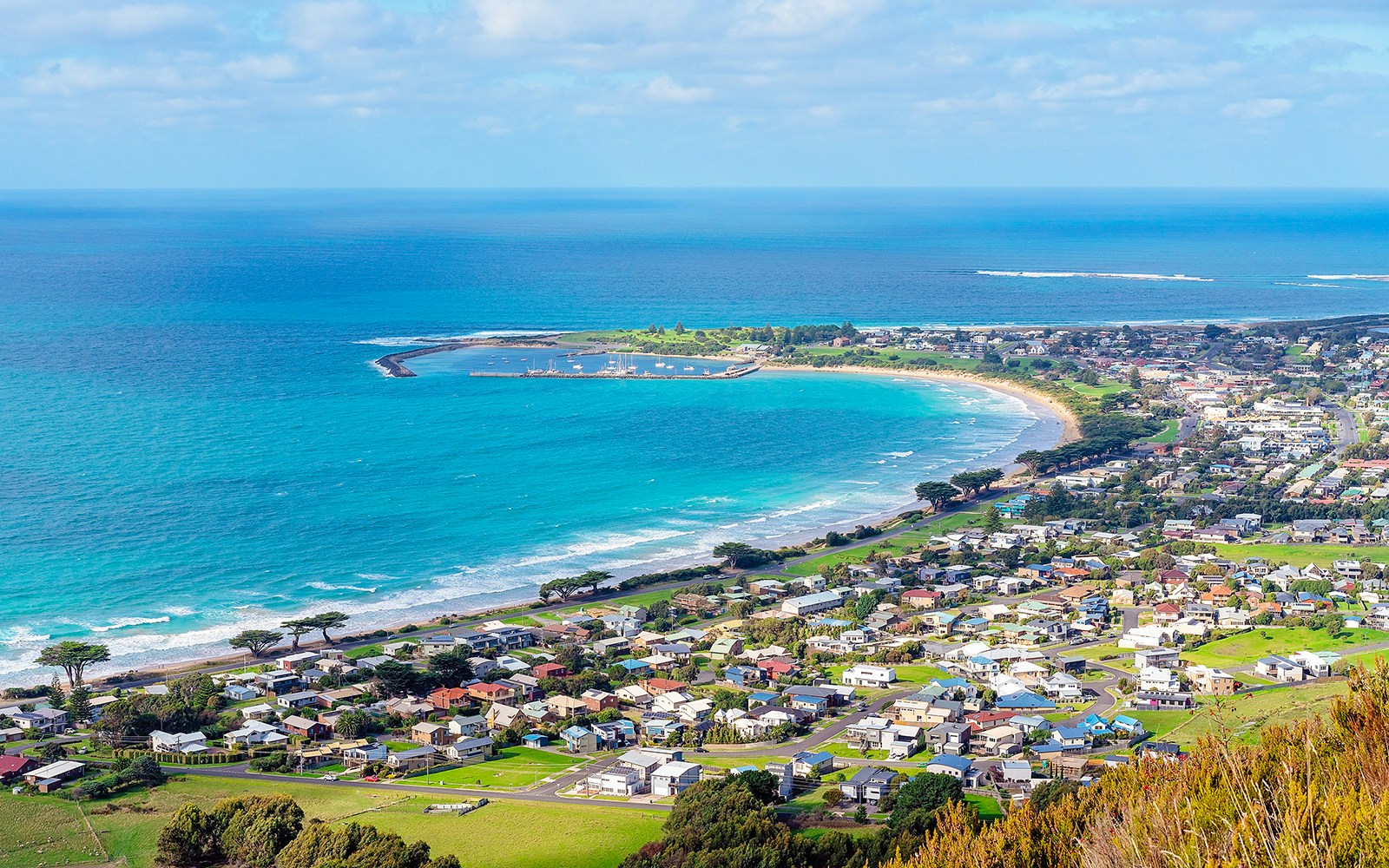
Today, the Great Ocean Road is more than just a scenic drive. It is a thriving tourism route where you can spot koalas, hike through the Great Otway National Park, or uncover the history of shipwrecks. The road also supports vibrant local communities with artisan markets, fresh seafood, and boutique accommodations. Swing by Apollo Bay’s bustling Saturday markets for local crafts, feast on just-caught crayfish at Port Campbell’s family-run seafood shacks, or wake up to ocean views in a restored lighthouse keeper’s cottage.

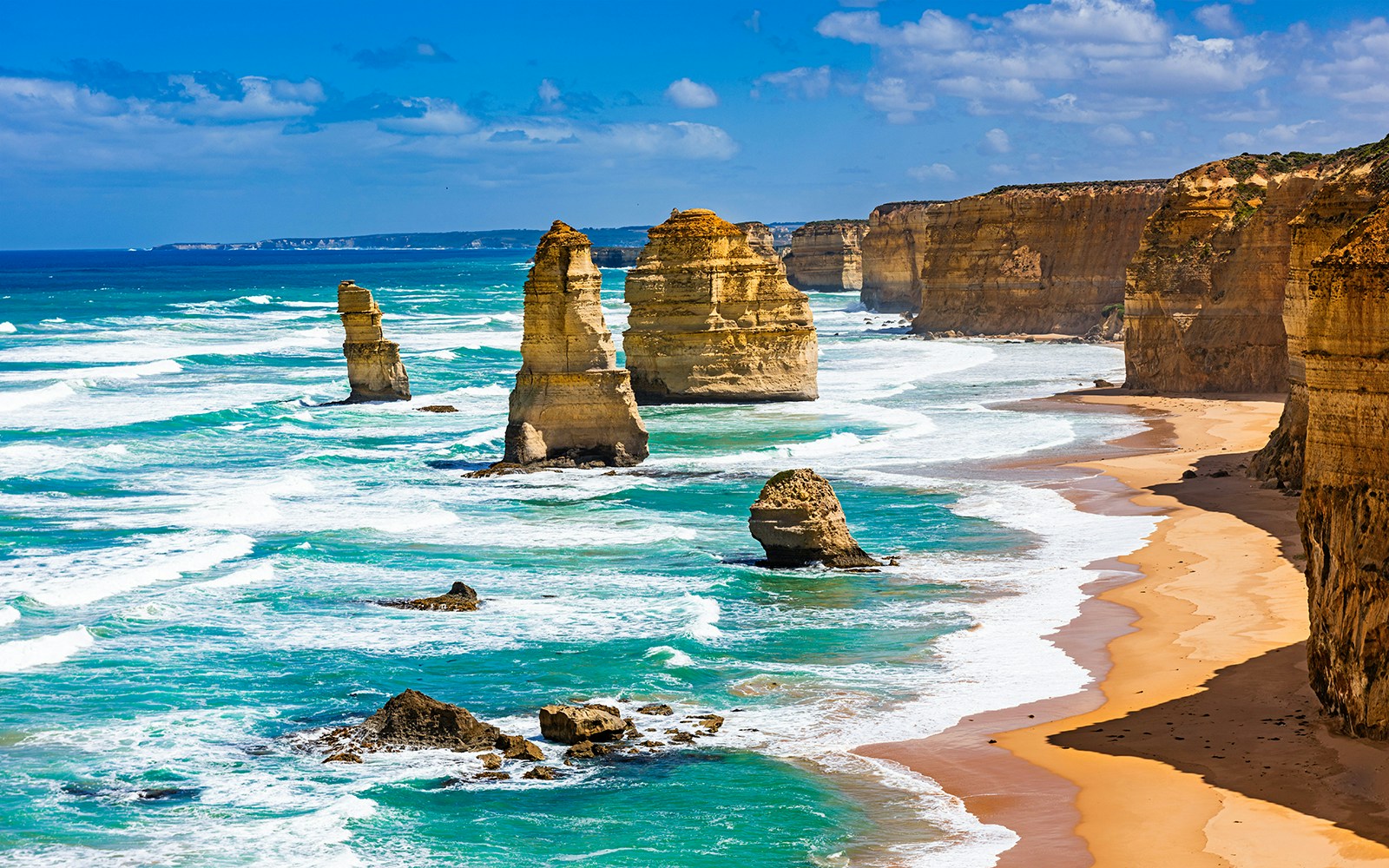
Rising dramatically from the Southern Ocean, these ancient limestone giants transform from misty grey at dawn to honey-gold at sunset.


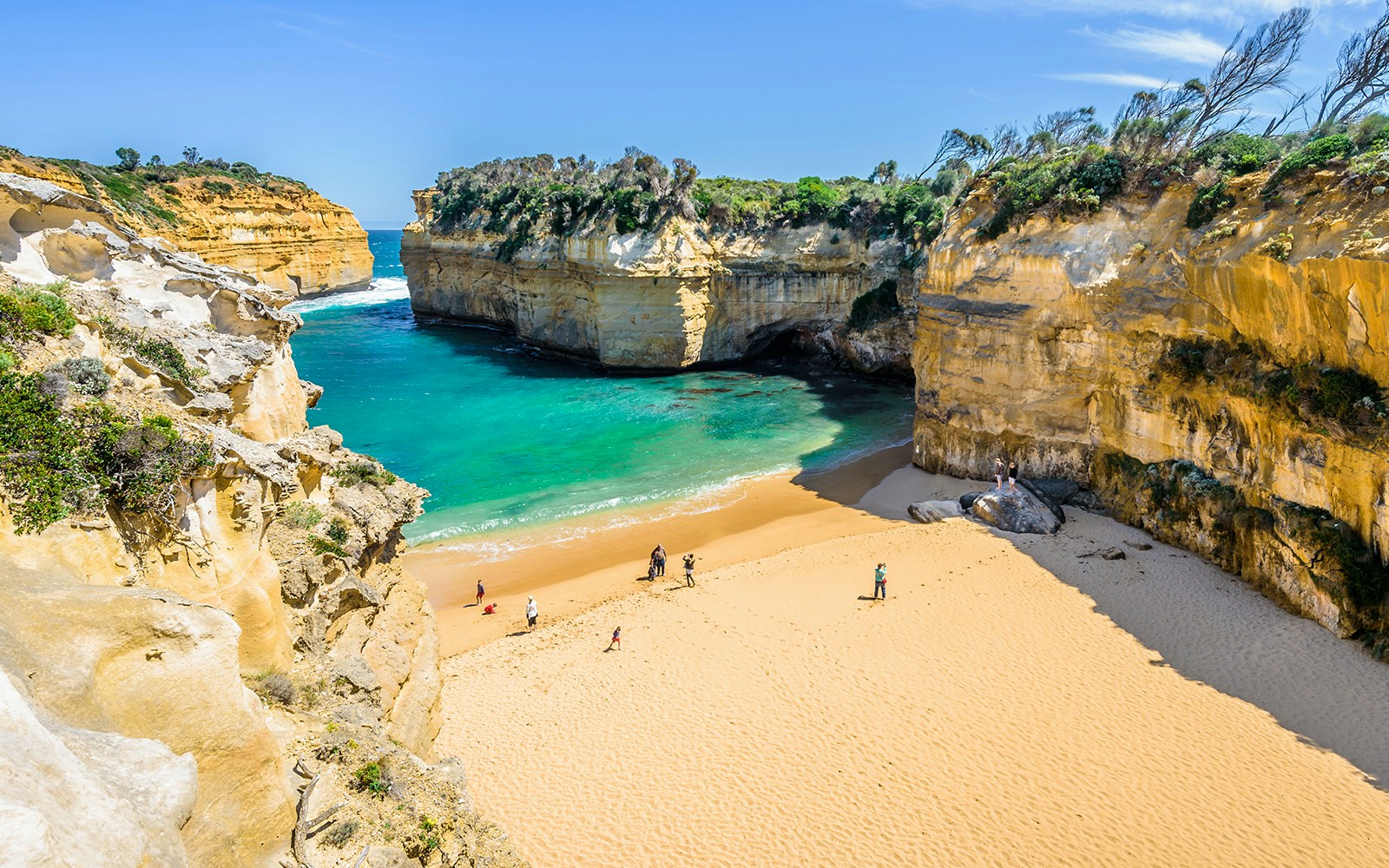
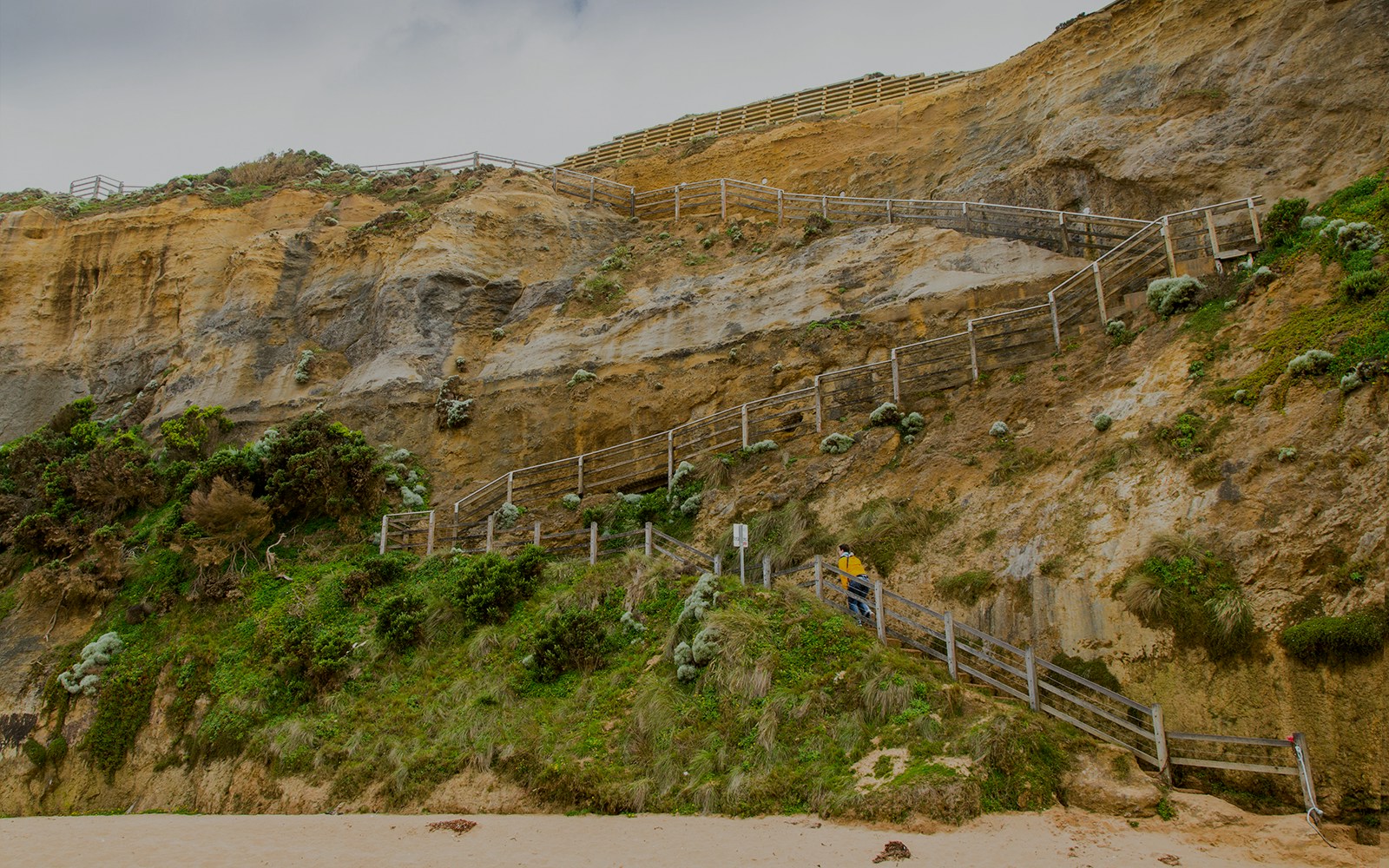
Loch Ard Gorge, the limestone cave along the Great Ocean Road, gets its name from the tragic shipwreck of the Loch Ard in 1878. Nearing the end of its three-month voyage from England to Melbourne, heavy fog caused it to crash into the rocky cliffs near Mutton Bird Island. Of the 54 passengers and crew aboard, only two survived: Tom Pearce, a ship’s apprentice, and Eva Carmichael, an Irish immigrant, both teenagers. Pearce saved Eva from the wreck and together took refuge in the gorge, immortalizing their story.

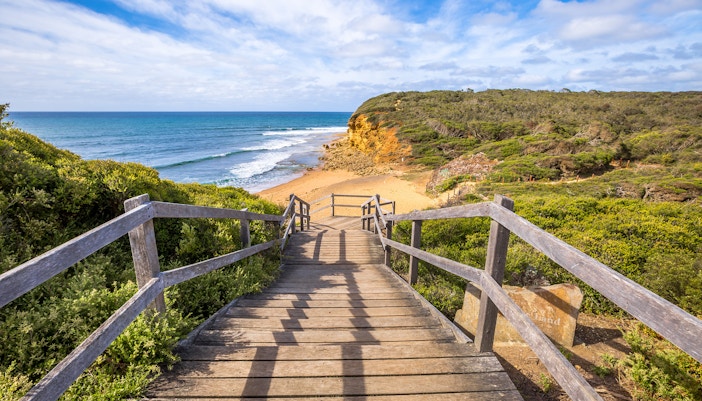
A world-famous surf haven near Torquay that boasts powerful waves and dramatic cliffs and hosts the iconic Rip Curl Pro every Easter.

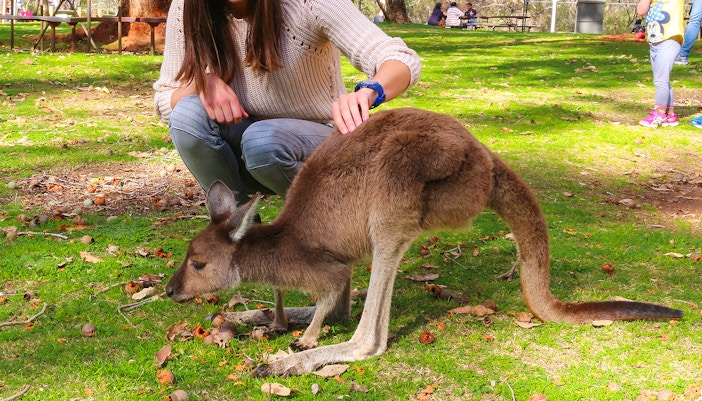
A family-run sanctuary where you can get up close with native Australian wildlife, such as kangaroos, emus, and dingos in a lush natural setting.

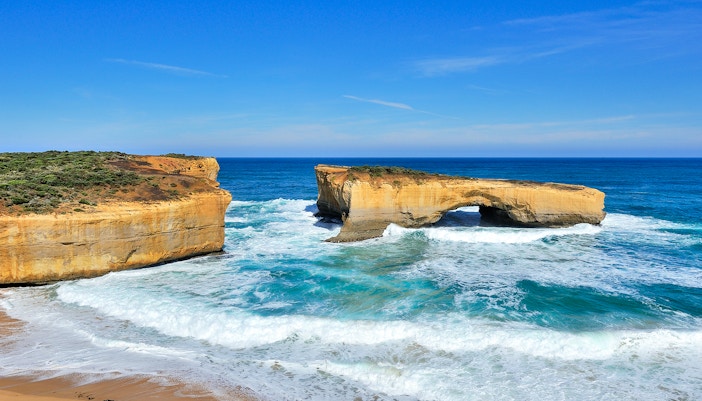
This rock formation was once double-arched but collapsed in 1990, leaving behind a chunk of land isolated in the ocean.

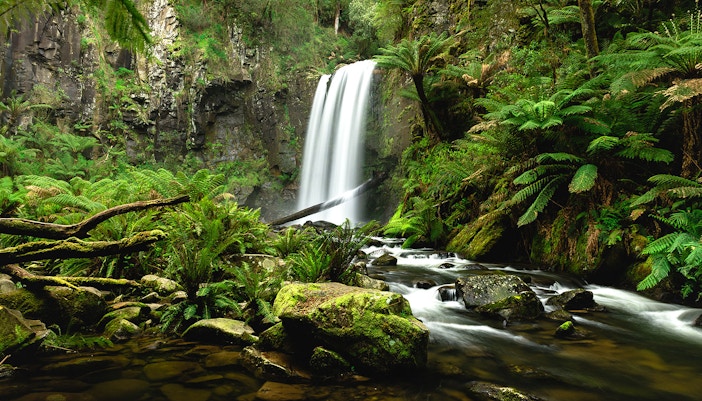
Located in the Great Otway National Park, this 30-meter waterfall cascades into a fern-fringed pool. Who knows, you might spot a cute platypus.

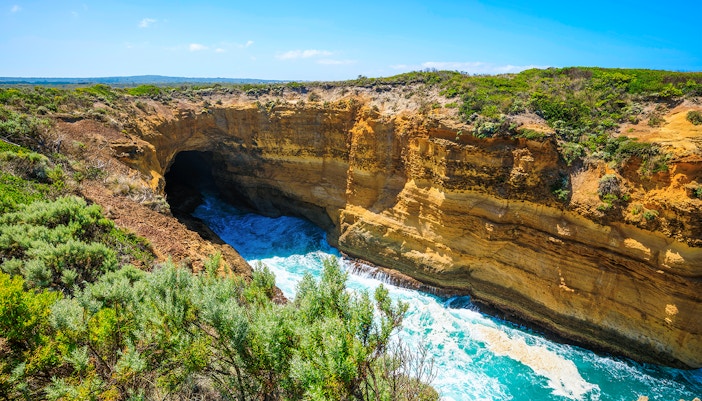
Formed millions of years ago and located just a short distance away from Loch Ard Gorge,the cave gets its name from the waves crashing against the cliffs, creating a thunder-like sound.
The Great Ocean Road is over 100 years old. The construction began in September 1919 and was completed in 1932, serving as the world’s largest war memorial.
The Great Ocean Road begins at the coastal town of Torquay and ends at the town of Allansford, near Warrnambool.
The Twelve Apostles are limestone stacks formed over millions of years by relentless Southern Ocean waves. Initially known as the Sow and Piglets, they were rebranded as the Twelve Apostles for a more biblical ring. Erosion continues to shape (and occasionally topple) these iconic formations.
Despite the name, there were never actually twelve distinct stacks. Over time, some have collapsed; eight now remain visible from the main viewing area.
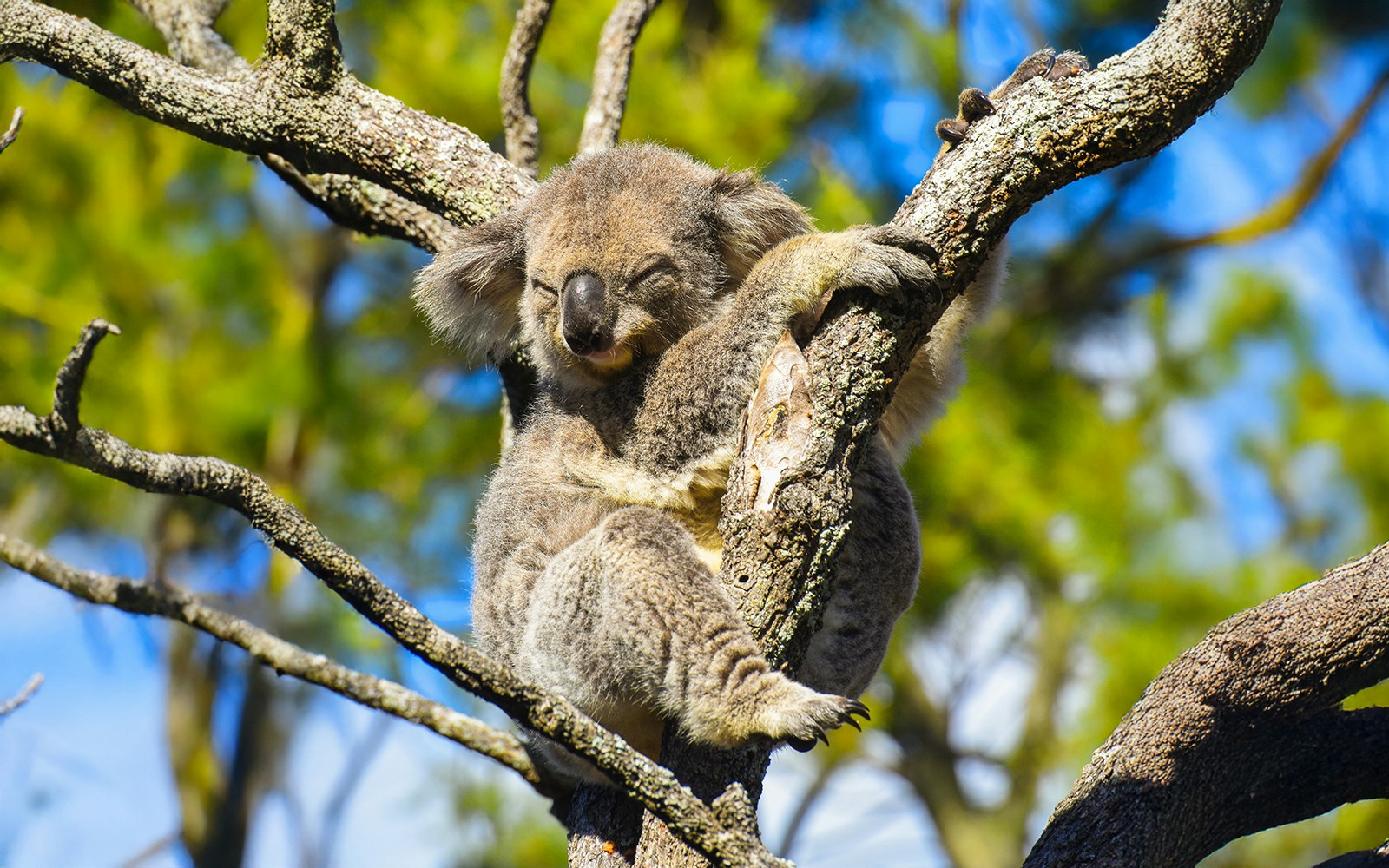
Kennett River and Grey River are popular spots for seeing koalas in their natural habitat, while the Great Otway National Park is home to other Australian wildlife such as Eastern Grey Kangaroos, echidnas, and diverse bird species.
There are 10 waterfalls within 10km and over 500 waterfalls in the Otways alone, making it one of the most popular places for waterfalls. You can visit some of the more popular ones such as Erskine Falls in Lorne and Hopetoun Falls in the Otways.
The Volcanic Lakes & Plains region, which is accessible via the Great Ocean Road, features more than 400 extinct volcanoes, making it the third largest volcanic plains in the world. You can explore large crater lakes, conical peaks, and fertile farmlands shaped by ancient volcanic activity.
You can attend the Port Fairy Folk Festival, which takes place in the town of Port Fairy each March. This four-day folk music festival features a bunch of bands across blues, roots and world music.
Yes, you can stop at Merrijig Inn, Port Fairy where you can eat dishes made with ingredients by local farmers. Try their Milawa free-range duck, Western District lamb, or ox-tail ragout while you’re there.
Great Ocean Road & 12 Apostles Reverse Tour
Great Ocean Road & 12 Apostles Day Tour with Classic Spots
Great Ocean Road & 12 Apostles Classic Day Tour
Great Ocean Road & 12 Apostles Reverse Tour with Lunch
Great Ocean Road & 12 Apostles Sunset Tour
#From Melbourne: Half/Full-Day Phillip Island Day Trip with Penguin Parade
From Melbourne: Brighton Beach, Moonlit Sanctuary & Phillip Island Day Trip with Penguin Parade
Private Car Tour of Great Ocean Road Including the 12 Apostles from Melbourne
Great Ocean Road & 12 Apostles Reverse Tour