‌‌‌‌
‌

How to get to the Great Ocean Road: Routes, transport & travel guide

The Great Ocean Road stretches for 243 km along Victoria's southern coastline, from Torquay to Allansford. Starting around 105 km from Melbourne, the route passes surf beaches, coastal towns, rainforest landscapes and the famous 12 Apostles.

You can drive the route yourself, combine regional trains and buses, or book a guided tour from Melbourne with transport and sightseeing stops arranged for you. Driving offers the most flexibility, while guided tours make it easier to visit major attractions without navigating winding coastal roads or organising multiple transport connections.

Here's everything you need to know about how to get to the Great Ocean Road, which route to take, travel times between major stops and the best transport option for your trip.

Getting to the Great Ocean Road by car

Driving is one of the most flexible ways to explore the Great Ocean Road. You can stop at beaches, lookouts, coastal towns and forest trails along the way, spending as much time as you like at each location.

Melbourne to Torquay

Distance: Approximately 105 km

Driving time: Around 1 hour 20 minutes to 1.5 hours

From Melbourne, take the M1 towards Geelong, then follow the Surf Coast Highway towards Torquay. Torquay marks the official start of the Great Ocean Road and is known for its surf beaches and coastal scenery.

Best for: Travellers beginning their road trip from Melbourne.

Torquay to Lorne

Distance: Approximately 48 km

Driving time: Around 50 minutes without stops

Follow the B100 along the coast past Bells Beach, Anglesea and Aireys Inlet. The route offers ocean views, surf beaches and opportunities to stop at coastal lookouts.

Best for: Beach lovers, photographers and travellers who want to explore the Surf Coast.

Lorne to Apollo Bay

Distance: Approximately 45 km

Driving time: Just under an hour without stops

Continue along the winding coastal road towards Apollo Bay. This stretch combines sea views with forested landscapes and access to attractions around Great Otway National Park.

Best for: Scenic drives, nature walks and a stop for lunch in a coastal town.

Apollo Bay to the 12 Apostles

Continue west along the Great Ocean Road towards the Shipwreck Coast, with opportunities to explore coastal viewpoints and natural landmarks along the way.

Best for: Travellers prioritising the 12 Apostles, Loch Ard Gorge and other limestone formations.

Getting to the Great Ocean Road by train and bus

Public transport can help you reach selected towns along the Great Ocean Road, although it takes more planning than driving or joining a guided tour. There isn't a single train service that travels along the entire coastal route.

By train to Geelong

Departure: Southern Cross Station, Melbourne

Destination: Geelong

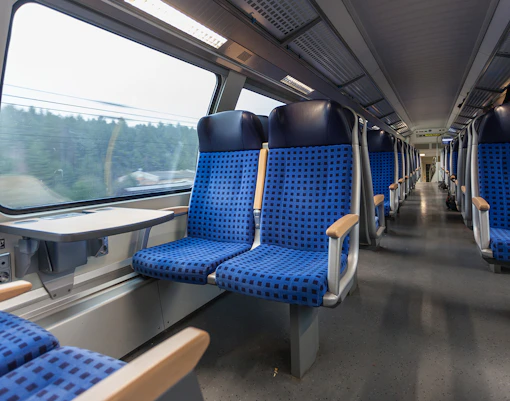
V/Line trains connect Melbourne with Geelong. From there, you can explore onward bus connections towards parts of the Surf Coast and Great Ocean Road.

Best for: Travellers who want to reach Geelong before continuing towards the coast.

By regional bus

V/Line coach services connect selected towns along the region, including Torquay, Anglesea, Lorne, Apollo Bay and Warrnambool, depending on the service and route.

Best for: Travellers planning to visit individual towns or combine public transport with overnight stays.

Good to know: Service frequency and connections vary by route and season. Check current V/Line timetables, stops and seat availability before travelling, especially on weekends and public holidays.

By direct coach towards Warrnambool

Selected regional coach services travel between Melbourne and Warrnambool, making them an option for travellers heading towards the western end of the Great Ocean Road.

Best for: Travellers visiting Warrnambool or using it as a base to explore the Shipwreck Coast.

Good to know: A coach journey is not the same as a sightseeing tour. You may need additional local transport to reach attractions such as the 12 Apostles and Loch Ard Gorge.

Is public transport a good option?

Public transport can work well if you're visiting one or two towns and have flexibility with your schedule. If you want to cover multiple attractions in a single day, a guided tour or rental car is generally more convenient.

Guided tour vs. self-drive: Which should you choose?

CategorySelf-driveGuided tour

Transport

Rental or personal car

Tour vehicle, usually with return transfers

Flexibility

High

Set itinerary

Sightseeing

Choose your own stops

Major attractions included, depending on the tour

Driving

You drive the full route

Driver-guide handles the journey

Planning

Route, parking and meals arranged independently

Most logistics organised in advance

Duration

Flexible; one or more days

Usually 12–13 hours for a day trip

Best for

Independent explorers and multi-day trips

First-time visitors and day-trippers

What to know before travelling

  • Check road conditions: Look for roadworks, closures and weather warnings before departure, particularly if you plan to explore smaller coastal roads or forest trails.
  • Check public transport timetables: Regional services can be limited, and connections may not align with your preferred sightseeing schedule.
  • Book tours in advance: Summer, school holidays and long weekends can be busy. Reserve your preferred departure date and pickup option early.
  • Plan fuel stops: Larger towns offer fuel and other essentials, but services can be less frequent along remote stretches.
  • Download offline maps: Mobile reception may drop in parts of the coast and forested areas.
  • Allow for changing weather: Coastal conditions can shift quickly. Bring a weatherproof jacket and comfortable shoes.
  • Keep meals in mind: If your tour doesn't include lunch, check where you'll have time to stop. For self-drive trips, carry water and snacks.
  • Check accessibility: Natural attractions may have stairs, uneven paths and limited access. Review individual tour and attraction information if you have mobility requirements.
  • Drive safely: Follow posted speed limits, use designated parking areas and avoid stopping on the road for photographs.
  • Plan your return: If you're driving back to Melbourne after a full day, allow time for breaks and avoid driving when fatigued.

Best attractions along the Great Ocean Road

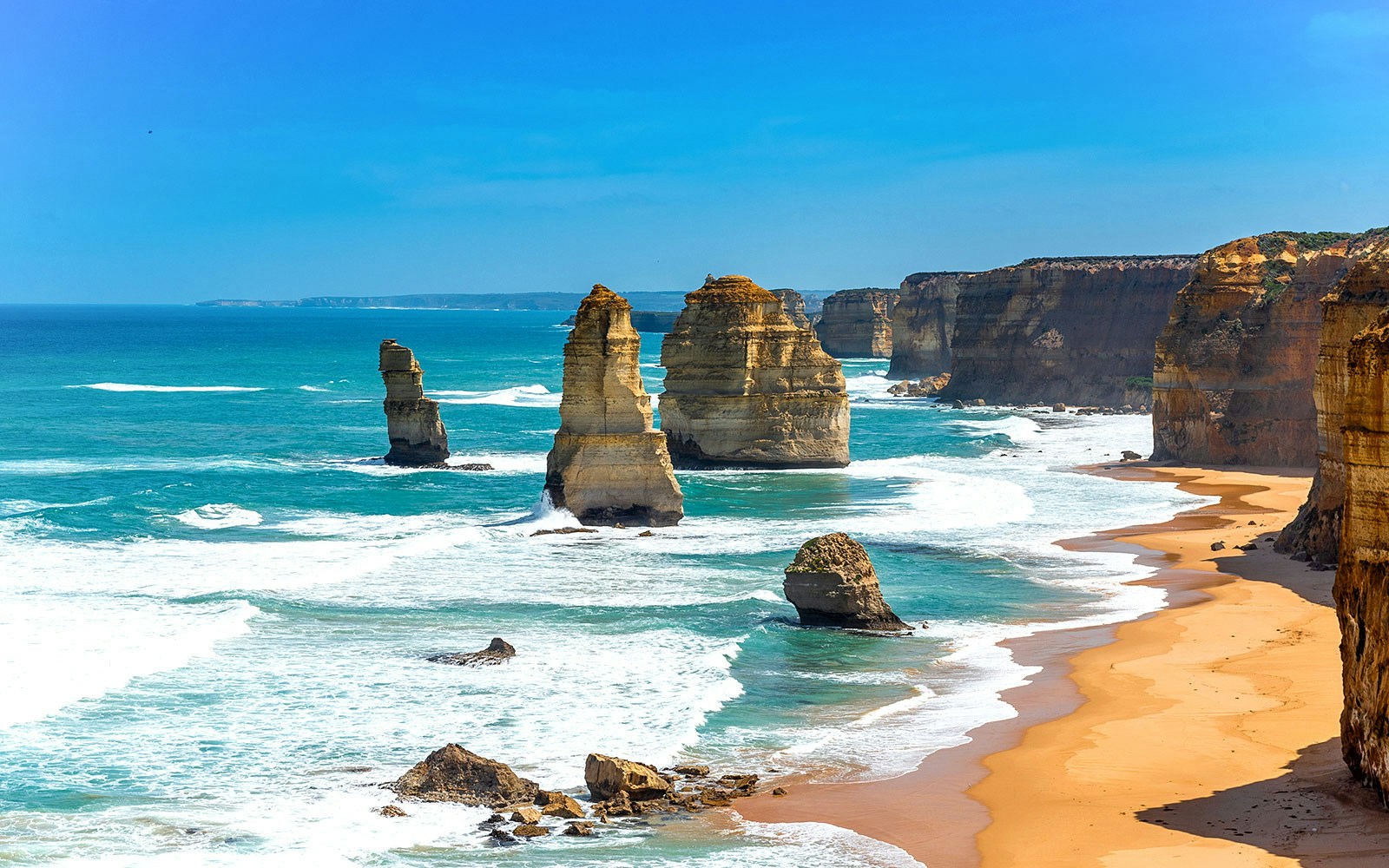
Twelve Apostles

Twelve Apostles

These iconic limestone stacks are the crown jewel of the Great Ocean Road. Best viewed at sunrise or sunset for dramatic coastal colors.

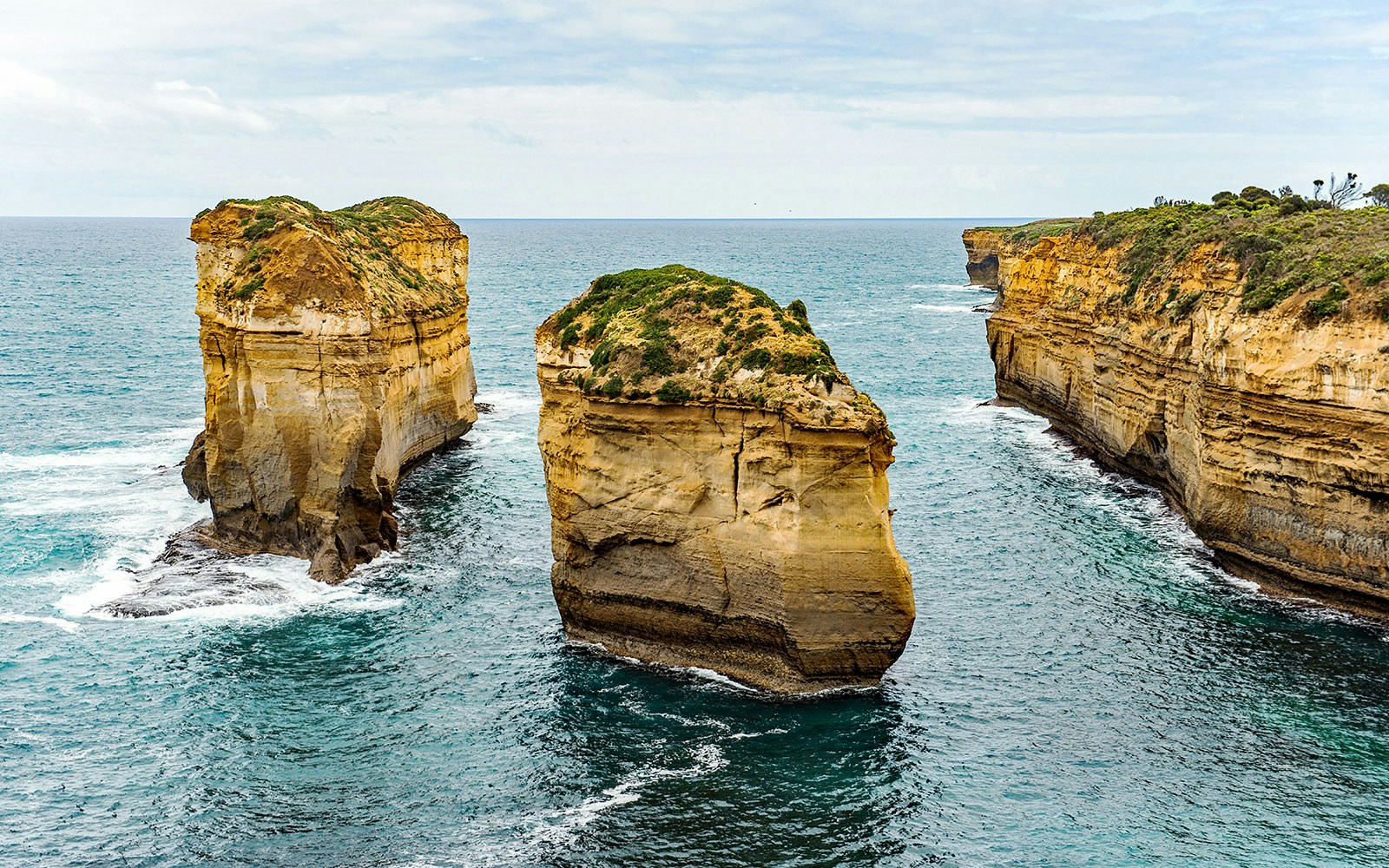
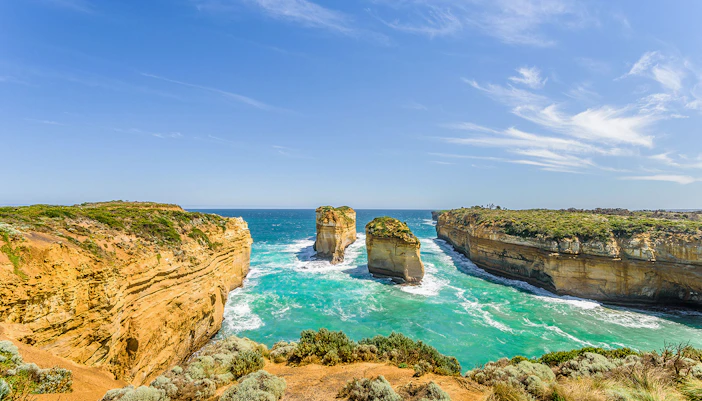
Loch Ard Gorge
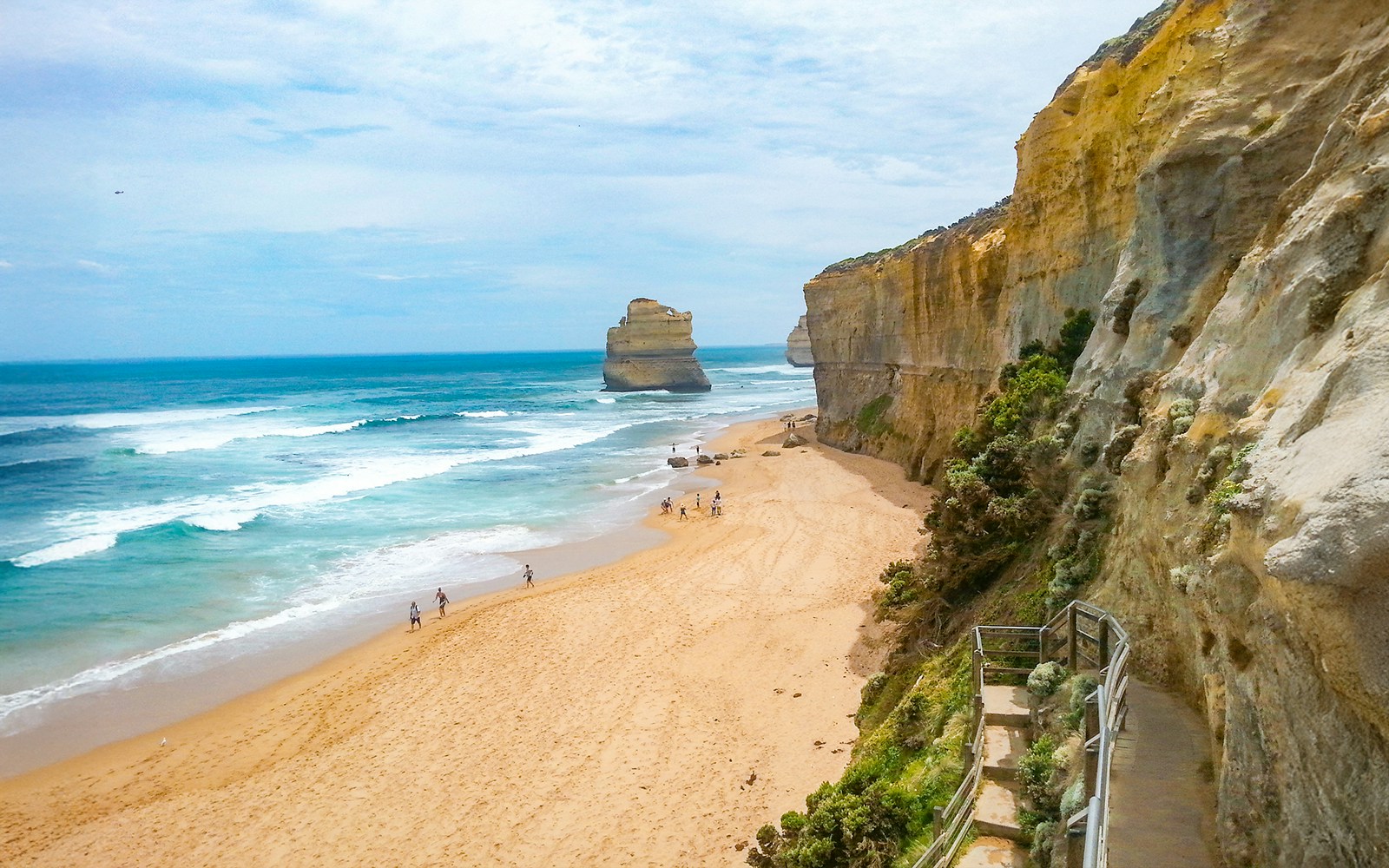
Gibson Steps
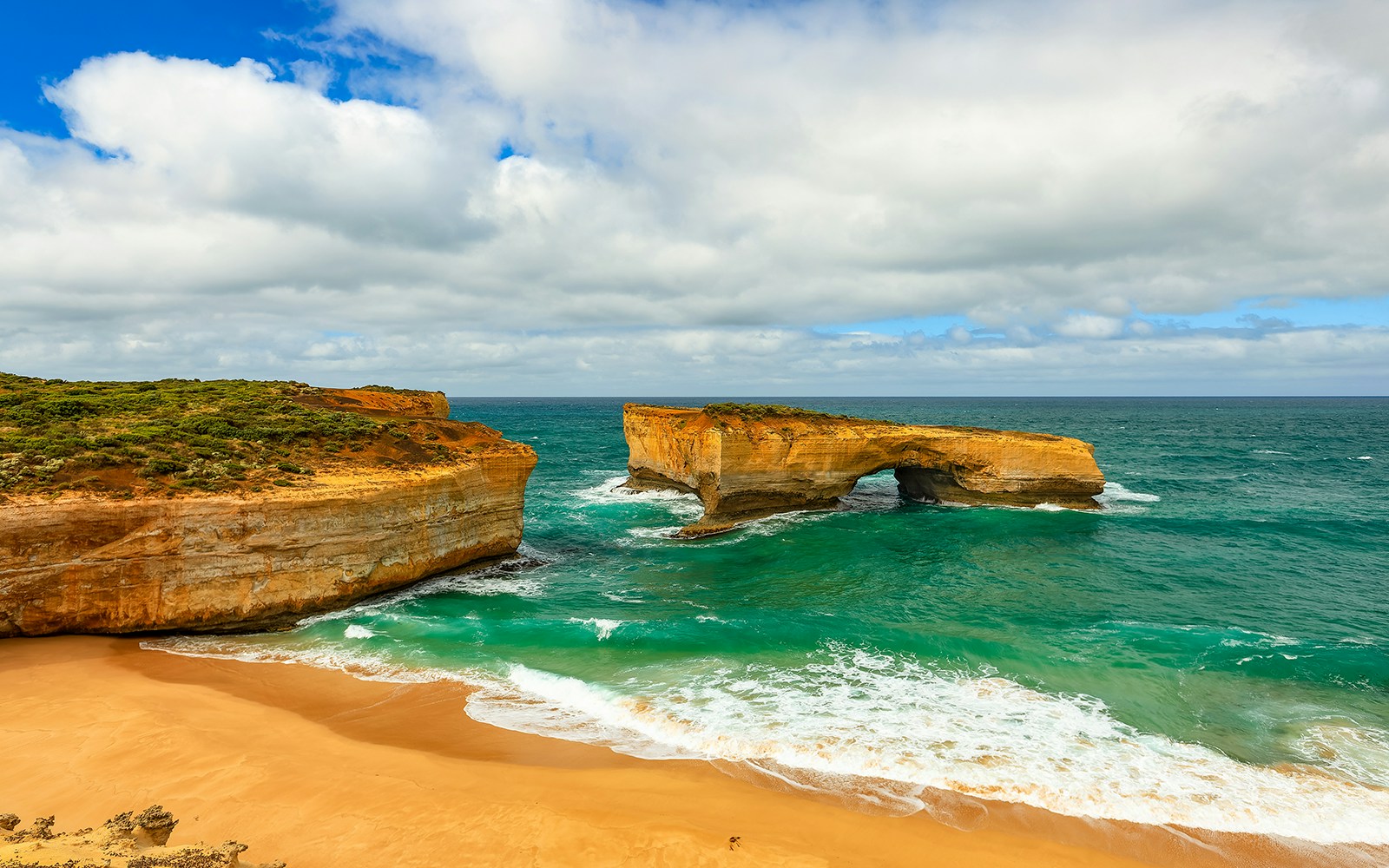
London Arch (formerly London Bridge)
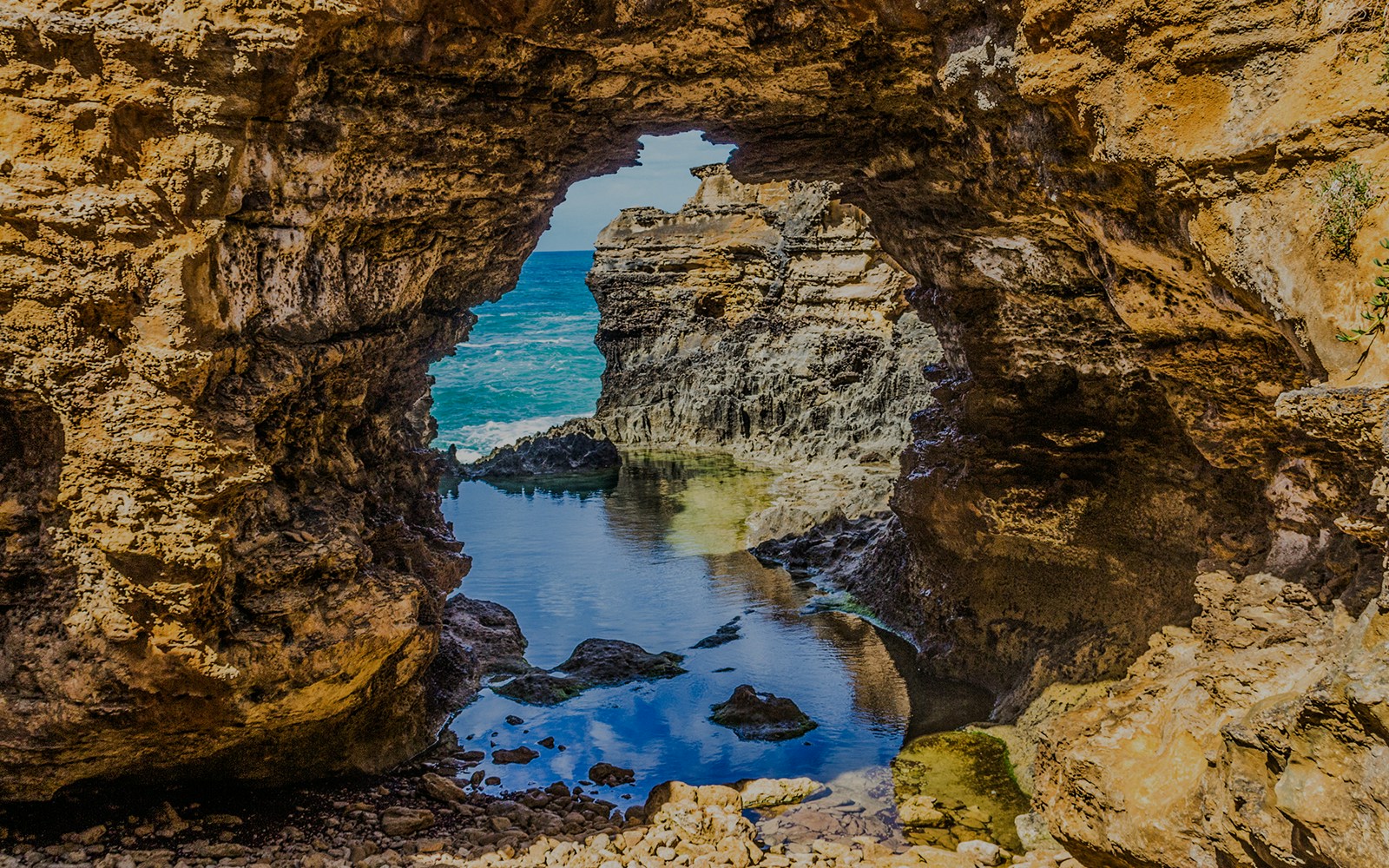
The Grotto

What happens once you arrive?

The Great Ocean Road is a coastal route rather than a single destination. Your experience will depend on where you begin and how you choose to travel.

If you're driving

Start at Torquay and follow the coastal route towards Allansford, stopping at beaches, lookouts, towns and natural attractions along the way.

Best for: Visitors who want maximum flexibility.

If you're taking a guided tour

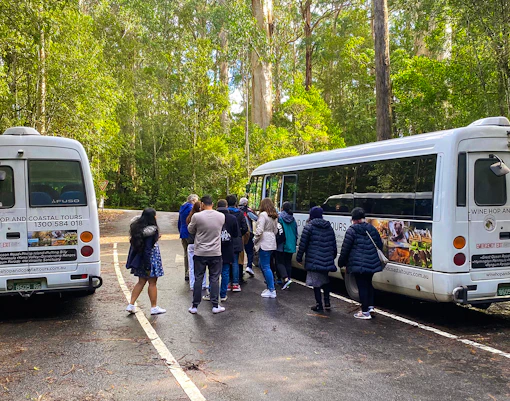
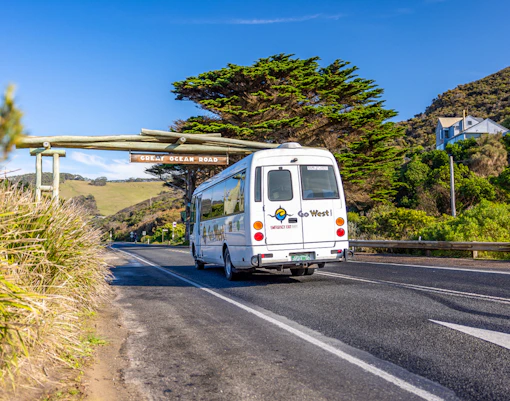
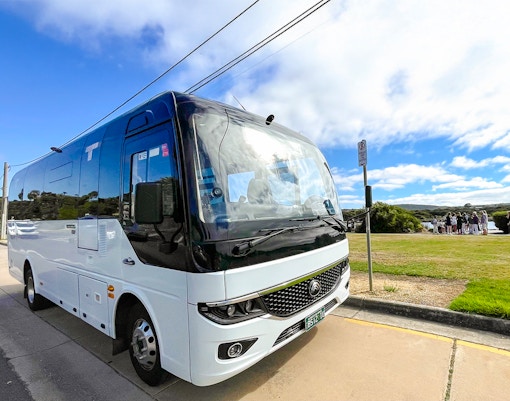
Meet your guide at the designated Melbourne pickup location or meeting point. Travel by coach or minivan between selected attractions, with time to explore each stop.

Best for: Travellers who want transport and sightseeing organised in advance.

If you're using public transport

Travel by train and regional coach to the towns served by the available routes. Check onward transport and return connections before setting off.

Best for: Visitors exploring selected towns over multiple days.

Before returning to Melbourne

Allow enough time to reach your accommodation or departure point. Guided tours usually return in the evening, while self-drive journeys may take longer if you make additional stops.

Tip: Avoid scheduling flights or other time-sensitive activities too close to your estimated return.
Tips for getting to the Great Ocean Road

  • Start early: An early departure gives you more time to explore and can help you reach popular attractions before peak visitor periods.
  • Choose the right transport: Drive for flexibility, use public transport for selected towns or book a guided tour for a convenient day trip.
  • Plan your route: Decide whether you'll follow the coastal road or take an inland route for part of the journey.
  • Don't underestimate distances: Attractions are spread across the coastline, and scenic driving times don't include walks, parking or meals.
  • Book popular tours ahead: Full-day tours can fill up during school holidays, summer and long weekends.
  • Check your tour's pickup point: Some experiences include hotel pickup, while others use designated central meeting points.
  • Download offline maps: Keep directions available in areas where mobile reception may be limited.
  • Refuel in larger towns: Plan fuel stops before continuing into more remote sections.
  • Take breaks: Stop in towns such as Lorne or Apollo Bay to rest, eat and enjoy the coast.
  • Check seasonal conditions: Winter weather, strong winds and rain can affect driving and access to some walking routes.
  • Avoid driving tired: If you plan to see the 12 Apostles and return to Melbourne on the same day, consider a guided tour instead.
  • Allow time for unexpected stops: Wildlife sightings, scenic viewpoints and changing conditions can make the journey longer than expected.

Frequently asked questions about Melbourne to Great Ocean Road tours

Yes, but it’s a long day (around 12–13 hours round trip). For a more relaxed experience, consider a guided tour.