A famous surf beach near Torquay, known for its rugged cliffs and sweeping ocean views. A worthwhile first stop for coastal photography.
Great Ocean Road Map: Stops, distances & itineraries
The Great Ocean Road stretches approximately 243 km along Victoria's coastline, from Torquay in the east to Allansford near Warrnambool in the west. Starting in Melbourne, you can follow the coast through surf towns, rainforest landscapes and dramatic limestone cliffs before reaching the Twelve Apostles.
There are two main ways to plan the journey:
- Standard route: Travel from Melbourne through Geelong and Torquay, then follow the coast west through Lorne and Apollo Bay to the Twelve Apostles.
- Reverse route: After exploring the Shipwreck Coast, take the Princes Highway back towards Melbourne to reduce driving time compared with retracing the entire coastal road.
Driving times and access can vary with traffic, weather and road closures, so use a live navigation app for your final route.
The Melbourne to Great Ocean Road route

1/2
Great Ocean standard tour route
Price: Starting from AU$147
Duration: 12 - 13 hours
The classic route follows a well-paced route with iconic stops at Bells Beach, Lorne, Apollo Bay, Great Otway National Park and ending with the majestic Twelve Apostles.
Great Ocean Road reverse tour route
Price: Starting from AU$138
Duration: 12 - 13 hours
Starting with the Twelve Apostles, this alternative route avoids crowds and allows you to visit iconic attractions and towns like Loch Ard Gorge and Lorne at their quietest times.
Key stops along the Great Ocean Road
Follow the route from east to west to explore the coastline, seaside towns and natural landmarks. You don't need to stop everywhere, especially if you're driving from Melbourne for just one day.

Bells Beach

Memorial Arch
Stop for a photograph of the landmark commemorating the workers who built the Great Ocean Road after World War I.

Lorne and Teddy's Lookout
Take a break in Lorne for cafés and beach views, then visit Teddy's Lookout for a panoramic view of the coastline and the winding river below.

Apollo Bay
A convenient stop for lunch, beach walks and supplies. Consider staying overnight here if you're exploring the route over several days.

Great Otway National Park
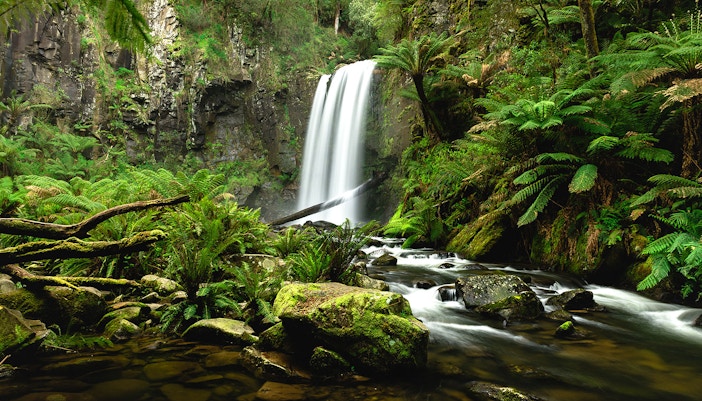
Swap ocean views for fern-filled rainforest, towering trees and walking trails. Allow extra time for detours from the main coastal road.

Loch Ard Gorge
Explore the towering cliffs, sheltered beach views and shipwreck history of the Shipwreck Coast, close to the Twelve Apostles.
Distance from Melbourne: Approximately 231 km
Suggested one-day and multi-day itineraries
Choose an itinerary based on whether you want to cover the main highlights or explore the region at a slower pace.

Around 12–14 hours · A full day
Suggested route: Melbourne → Torquay → Memorial Arch → a selected coastal-town stop → Twelve Apostles → Loch Ard Gorge → Melbourne via the inland route.
Prioritise the main landmarks and limit detours. This option involves a long day, with less time to explore individual towns and walking trails.

One overnight stay · A balanced pace
Day 1: Surf Coast to Apollo Bay
Melbourne → Torquay → Bells Beach → Memorial Arch → Lorne → Apollo Bay. Stay overnight in Apollo Bay.
Day 2: Otways and Shipwreck Coast
Explore a rainforest walk or Cape Otway, then visit the Twelve Apostles and Loch Ard Gorge. Return to Melbourne via the inland route or extend your stay.

Two overnight stays · A relaxed road trip
Day 1: Surf Coast
Explore Torquay, Bells Beach, Aireys Inlet and Lorne. Stay in Lorne or continue towards Apollo Bay.
Day 2: Apollo Bay and the Otways
Visit Apollo Bay, rainforest trails and Cape Otway. Stay overnight around Port Campbell.
Day 3: Shipwreck Coast
Explore the Twelve Apostles, Gibson Steps, Loch Ard Gorge and other nearby viewpoints before continuing west or returning inland.
Coastal towns and attractions along the Great Ocean Road
Beyond the famous lookouts, the route passes through seaside towns and natural areas that are worth exploring in their own right.

Torquay and Anglesea
Explore surf beaches, coastal walks and local surf culture. Torquay is a useful starting point for the drive, while Anglesea offers beaches and nature trails.

Lorne and Aireys Inlet
Stop for cafés, beach views and coastal lookouts. Visit Split Point Lighthouse at Aireys Inlet or spend longer exploring Lorne.

Apollo Bay and the Otways
Combine a coastal-town break with rainforest walks, waterfalls and the Cape Otway Lightstation. Allow additional driving time for inland detours.

Port Campbell and Peterborough
Stay close to the Shipwreck Coast's limestone formations, with access to the Twelve Apostles, Loch Ard Gorge and nearby viewpoints.
Route-planning tips
- Start early: Leave Melbourne early if you want to see the major landmarks in a single day.
- Choose your return route: The inland Princes Highway route can save time compared with retracing the entire coast.
- Plan fuel and meal stops: Torquay, Lorne, Apollo Bay and Port Campbell are useful places to refuel, eat and take breaks.
- Download offline maps: Mobile reception can be patchy along some coastal and forested sections.
- Check road and park alerts: Weather, maintenance and access restrictions can affect your route.
- Allow time for detours: Rainforest trails, lighthouses and smaller viewpoints add to the driving time.
- Drive to conditions: The road has winding sections and changing weather. Stop only in designated parking areas.
- Check daylight hours: Plan longer drives and coastal walks around the season, particularly in winter.
Frequently asked questions about the Great Ocean Road map
Be mindful of strong ocean currents and slippery rocks. Always follow safety signs, avoid climbing on cliffs, and check the weather forecast for coastal storms.
The last fuel station is in Te Anau. Ensure you fill up there because no refueling options exist along Milford Road or in Milford Sound.
Yes, apps like Google Maps, Waze, or the Great Ocean Road app can help navigate the route.
Early mornings offer fewer crowds, and you can enjoy beautiful light during sunrise. Sunset also provides a spectacular view, especially around the Twelve Apostles.
Yes, major spots like the Twelve Apostles and Loch Ard Gorge have accessible paths and viewing platforms.
The classic itinerary runs east to west, from Torquay towards the Twelve Apostles. A reverse itinerary can work well if you want to prioritise the Shipwreck Coast earlier in the day.
Yes. The inland route via the Princes Highway is generally faster than retracing the entire coastal road.