Quick Information

ADDRESS

Pearcedale Conservation Park, 550 Tyabb-Tooradin Rd, Pearcedale VIC 3912, Australia

Timings

09:30–16:00

Plan your visit

Did you know?

Night tour start times adjust with sunset, so the same experience can begin at different times through the year.

The Night Tour typically lasts about 1.5–2 hours, while a daytime visit to Moonlit Sanctuary usually takes about 2–4 hours.

Guides use lanterns and spotlights rather than floodlighting, a setup the research describes as minimally disruptive to nocturnal species.

Is the Moonlit Sanctuary Wildlife Conservation Park worth visiting?

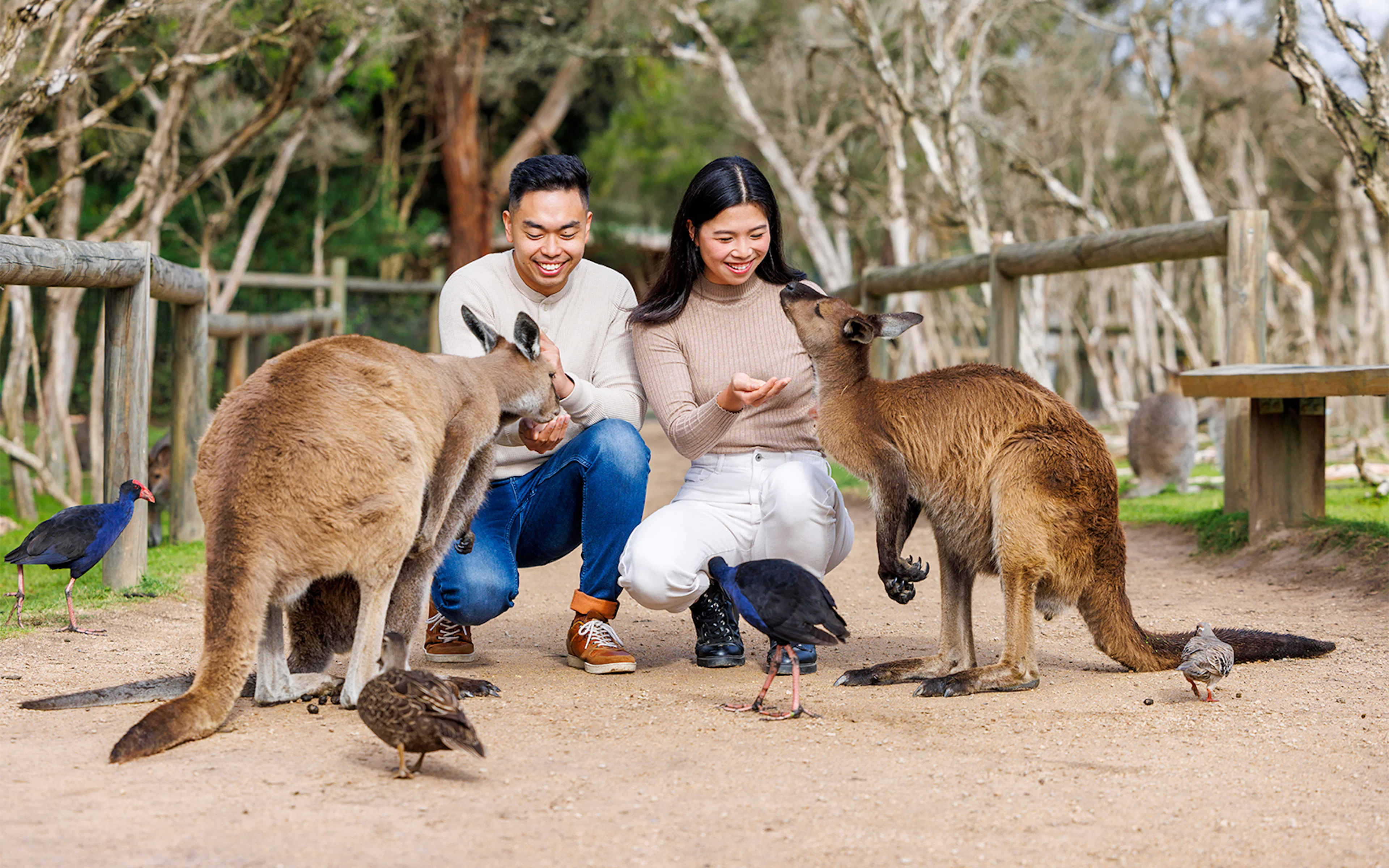
Soft gum leaves, gravel paths, and the sudden thump of wallabies set the tone here. Instead of peering at Australian wildlife from a distance, you move through open bushland where kangaroos graze beside the trail, birds call overhead, and keepers chat only a few feet away.

Moonlit Sanctuary was built to make native wildlife encounters feel grounded in habitat rather than spectacle. The park pairs naturalistic enclosures with keeper talks and conservation work, so the visit carries more weight than a quick animal photo stop.

What stays with most visitors is the pace of the place. You’re not rushing past cages; you’re sharing space with animals that feel unmistakably Australian, from koalas in eucalyptus to kangaroos waiting for feed in the grass.

Skip it if: you want a large indoor zoo day, or you struggle in open-air parks on hot or fly-heavy afternoons.

What to see at Moonlit Sanctuary Wildlife Conservation Park?

Kangaroos and wallabies at Moonlit Sanctuary
Koalas on the Moonlit Sanctuary boardwalk
Keeper presentation at Moonlit Sanctuary Show Arena
Wombat habitat at Moonlit Sanctuary
Dingoes at Moonlit Sanctuary
Quokka and marsupial area at Moonlit Sanctuary
Lantern tour at Moonlit Sanctuary after dark
1/7

Kangaroo and wallaby meadow

Pick up feed near the entrance and start here early. This open paddock is the park’s most hands-on zone, with free-roaming kangaroos and wallabies often calmer before mid-morning groups arrive.

Koala boardwalk

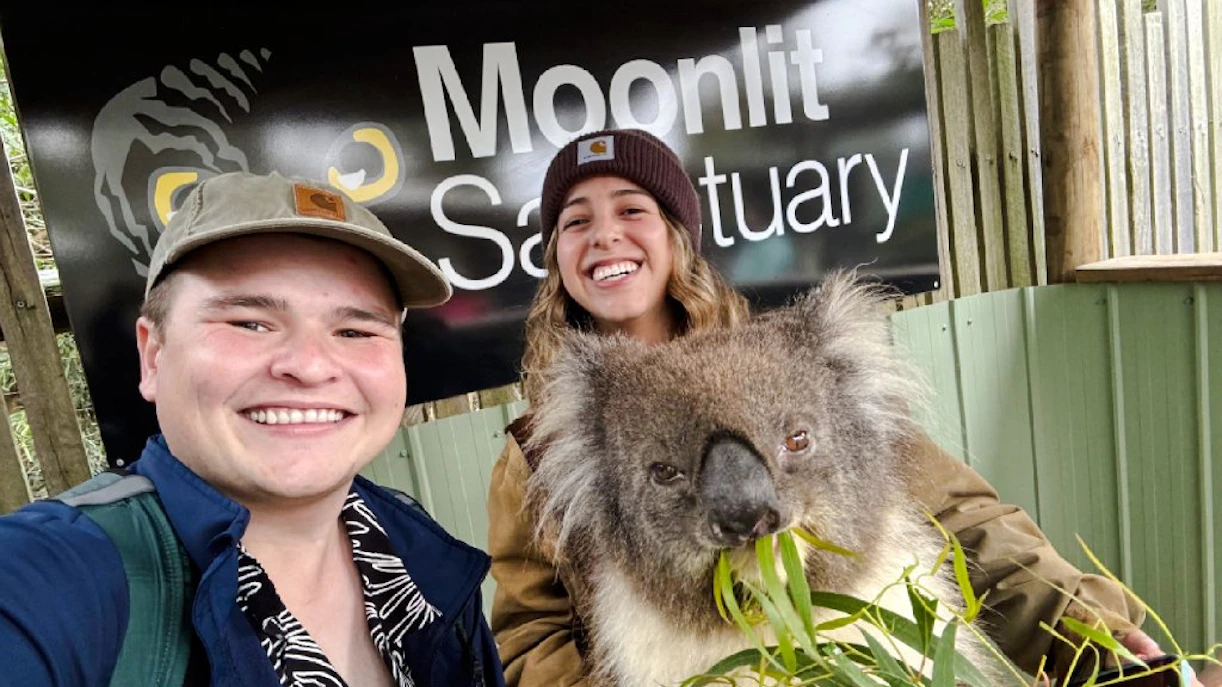
Raised walkways bring you eye-level with koalas in eucalyptus habitat. Time your stop for the keeper talk if you can; private koala encounters run in very small sessions and usually need advance booking.

Show Arena

Short keeper presentations happen here through the day, often featuring birds, reptiles, or lesser-known native species. It’s the best place to hear conservation stories and see animal behavior you’d miss by simply walking past enclosures.

Wombat habitat

Moonlit’s wombats draw steady crowds, but they’re easiest to appreciate during keeper activity. Even from the public viewing area, you’ll get a better sense of their size, gait, and burrow habits.

Dingo enclosure

The dingo area slows people down. These animals are usually quieter and more watchful than visitors expect, which makes this stop feel very different from the park’s feeding zones and worth a few unhurried minutes.

Quokka and small marsupial area

If you’re curious about rarer species, don’t rush past the smaller enclosures. Quokka encounters are limited and need advance booking, but even without one, this section shows the park’s conservation focus beyond the famous headliners.

Moonlit after dark

In cooler months, the sanctuary changes character after dusk. The seasonal lantern tour turns familiar paths into a quieter wildlife walk, with nocturnal feeding and a very different rhythm from the daytime circuit.

How to explore the Moonlit Sanctuary Wildlife Conservation Park

Visit pacing

Budget 2–3 hours for a standard visit, or up to 4 hours if you're adding a private animal encounter or multiple keeper talks. If you're visiting as part of a Brighton Beach, Moonlit Sanctuary & Phillip Island Penguin Parade day trip, expect to spend around 2 hours at the sanctuary.

Suggested route: Arrive near opening time and start at the kangaroo and wallaby meadow. Continue to the koala boardwalk for a keeper talk, then explore the wombat, dingo, bird, and reptile habitats before ending at the Show Arena.

Must-see: Kangaroo feeding area, koala boardwalk, and a keeper talk or wildlife show.

Optional: Private koala, wombat, or quokka encounters add about 10–15 minutes and should be booked in advance.

Brief history of Moonlit Sanctuary

Opened in 2001, Moonlit Sanctuary Wildlife Conservation Park was established to create immersive wildlife experiences while supporting the conservation of Australia's native species. Located in Pearcedale, about an hour from Melbourne, the sanctuary began as a small wildlife park focused on education, conservation, and up-close encounters with Australian animals.

Over the years, it has expanded to house more than 70 native species, including kangaroos, koalas, dingoes, wombats, Tasmanian devils, and endangered species such as the orange-bellied parrot. Moonlit Sanctuary works closely with breeding and recovery programs for threatened wildlife and actively contributes to research, habitat restoration, and conservation initiatives across Australia.

Today, it is one of Victoria's leading wildlife parks, known for its interactive animal encounters, keeper presentations, and role in protecting Australia's unique biodiversity.

Who built Moonlit Sanctuary?

Moonlit Sanctuary Wildlife Conservation Park was founded by Michael Johnson and his family. Johnson envisioned a wildlife park where visitors could experience Australia's native animals up close while supporting conservation and education.

Development of the sanctuary began in December 1998 on a former farm and pony club site in Pearcedale, Victoria. After nearly three years of construction, it officially opened to the public in September 2001.

Today, Michael Johnson continues to serve as the sanctuary's Director, overseeing its conservation breeding programs, wildlife education initiatives, and efforts to protect threatened Australian species.

Frequently asked questions about the Moonlit Sanctuary Wildlife Conservation Park

Yes, especially if you want close-range Australian wildlife rather than a large zoo day. The open paddocks and keeper talks make the experience feel personal.